
From youthful eye rejuvenation to double eyelid surgery,
bright, beautiful eyes –
Ptosis Correction in Korea

Transforming Sleepy and Heavy Eyes into Clear, Defined Eyes
What is Ptosis Correction?
When the strength to open the eyes is weak or the eyelids are drooping, one may appear sleepy or heavy-eyed. In such cases, ptosis correction addresses the root cause to create a more defined and sharper eye contour.
Ptosis Correction Key Information

Surgery Duration
60 minutes

Anesthesia
Sleep/local

Hospitalization
Same-day discharge

stitch removal
7 days

Recovery Period
About 7 days

01
Congenital Cases
Appears when the strength of the levator palpebrae superioris (eyelid-lifting muscle) is weak from birth.
02
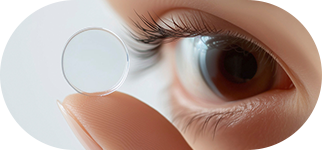
Long-term Contact Lens Wearers
Appears when the levator palpebrae superioris muscle separates from the tarsal plate (connective tissue inside the eyelid) and stretches out over time.

03
Involutional (Senile) Ptosis
Appears when the levator palpebrae superioris muscle separates from the tarsal plate due to aging.

04
Post-Surgical Complications
Appears when the levator palpebrae superioris muscle separates from the tarsal plate or suffers damage during double eyelid surgery.

05
Autoimmune Diseases
Appears when antibodies target the levator palpebrae superioris muscle, restricting its movement.
How Do I Know if I Need Ptosis Correction?
MRD (Margin Reflex Distance)
A test that measures the vertical distance from the center of the pupil to the edge of the eyelid. Surgery is performed if this length is shorter than normal.
Levator Muscle Function Test
With the eyebrow held still, the functionality of the levator palpebrae superioris muscle can be evaluated by having the patient look all the way down and then look up.
Eyelid Laxity Test
A test used to correct sleepy-looking eyes caused by sagging eyelid skin rather than an underlying muscle issue.
Tissue Thickness Assessment
A test to evaluate whether the tissue thickness is suitable before choosing between incisional and non-incisional ptosis correction.
Incisional Ptosis Correction at LABOM
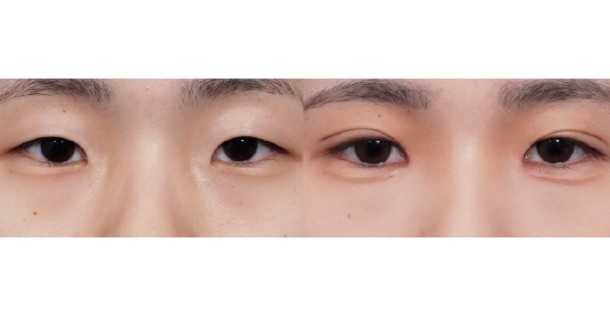
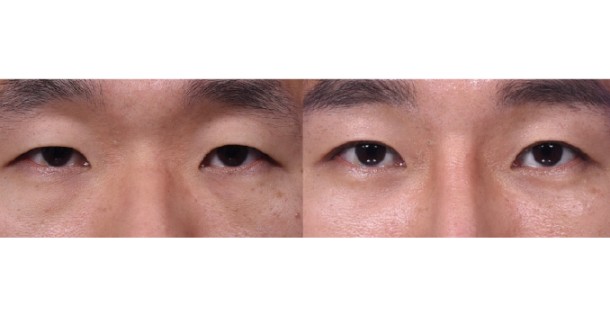
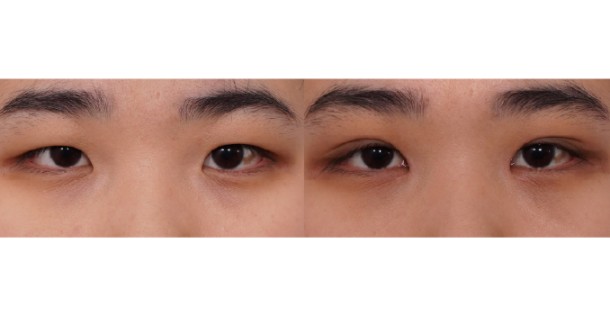
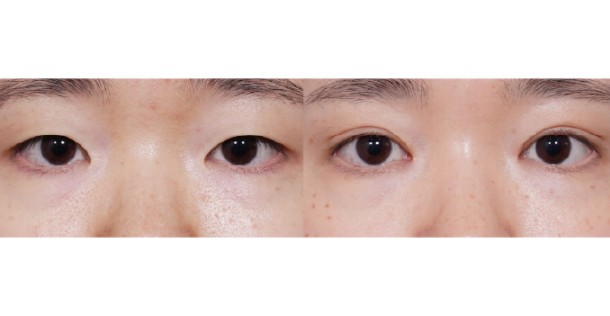
Incisional ptosis correction provides clear and definite correction in cases with severe skin sagging or significantly weak eye-opening power, along with removing unnecessary tissue.
LABOM accurately identifies the root cause of heavy and sleepy-looking eyes, conducting thorough pre-operative examinations to ensure a safe procedure.

How is Incisional Ptosis Correction Done?
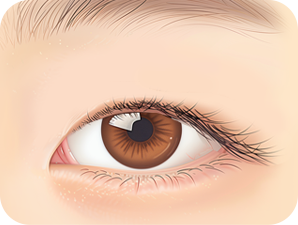
1. 1:1 Consultation & Customized Design
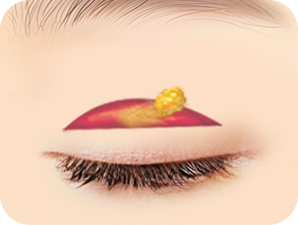
2. An incision is made in the eyelid skin and unnecessary fat and tissue are removed.
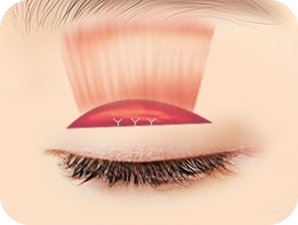
3. Pull, secure, and suture the lifting muscles and tendons within the eyelid according to the design.
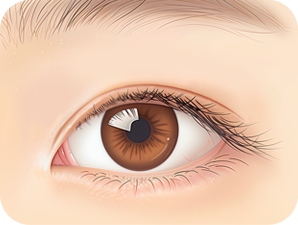
4. Heavy, sleepy-looking eyes are transformed into clear and defined eyes
LABOM PLASTIC SURGERY
Recommended Candidates for Incisional Ptosis Correction
- Those with significantly weak eye-opening strength
- Those with excessive fat or tissue in the eyelids
- Those who need revision after a previous ptosis correction surgery
- Those who did not see sufficient results from non-incisional ptosis correction
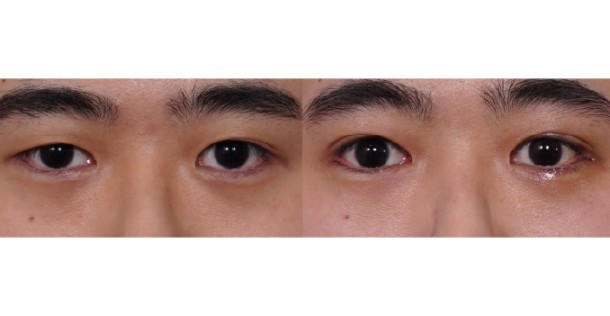
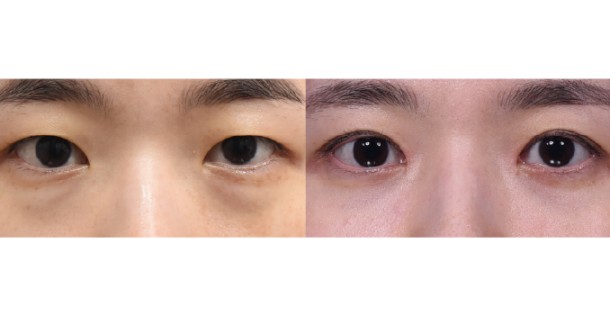
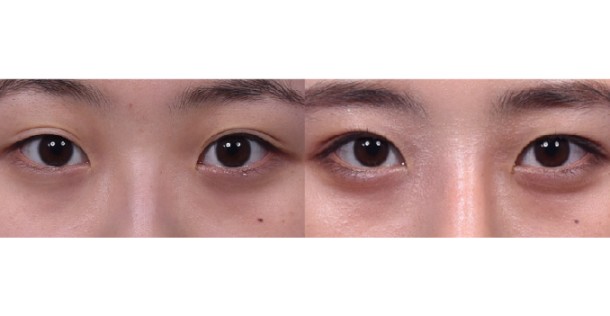
Before & After
 Eye surgery Before & After
- Eye surgery Before & After
- Eye surgery Before & After
- Eye surgery Before & After
- Eye surgery Before & After
- Eye surgery Before & After
- Eye surgery Before & After
- Eye surgery Before & After
- Eye surgery Before & After
- Eye surgery Before & After
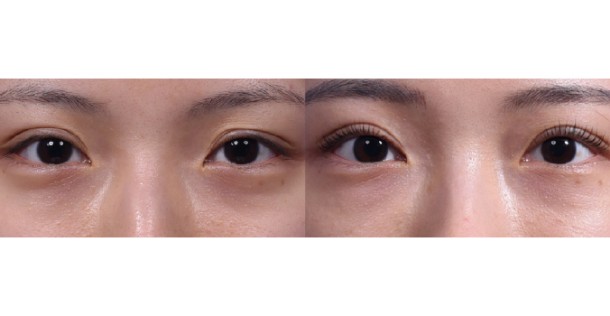
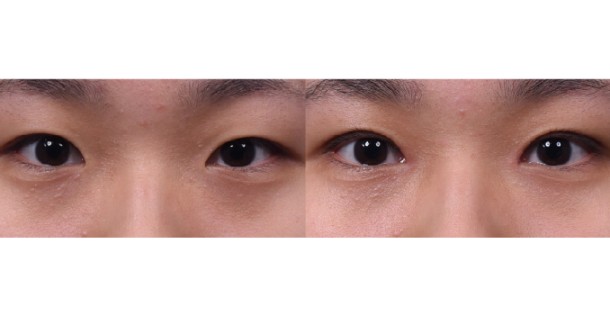
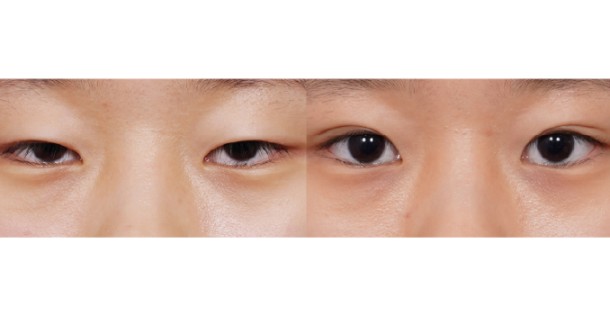
Hear From Our Real Patients
 라봄성형외과의원
Gangnam District, Nonhyeon-ro, 842 압구정빌딩 1층
- I had a deep facelift done at LaBen, and it's only been 8 days, so I feel pretty good. They do deep facelifts, and I could feel the effects immediately … More after the procedure. But we'll have to see how the recovery goes. The doctor and translator were very friendly, and their service is really excellent.
- I thought about it a lot, but I'm glad I had the surgery here. I am satisfied with the results.
- They examined me thoroughly during the consultation, so I trusted them and went ahead with the procedure. The hospital is clean, and although it has only … More been three days, I am looking forward to the recovery as it seems like it will go well.


Begin Your Consultation Today
Online consultation at LABOM is quick and easy, and completely free. Simply fill in our consultation form with all your details, and a staff member will get back to you as soon as possible to further discuss your needs and goals.
LABOM EXPERTISE
plastic surgery Done Right
We deliver optimized beauty tailored to each individual through proper methods faithful to the fundamentals of medicine and trendy designs that are one step ahead.
Endless research for beauty
We do not neglect a scientific approach to the pursuit of beauty, through ceaseless research and effort.
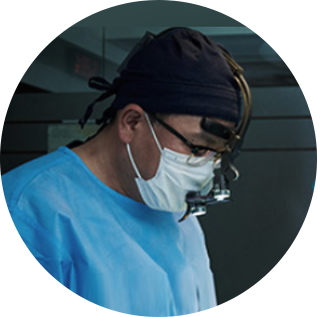
Expert Know-How and Precision Technique
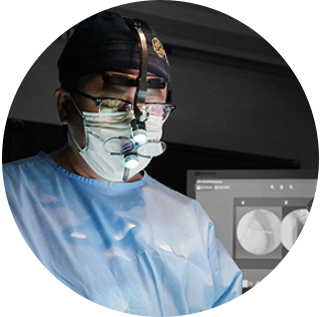
Built on over 20 years of accumulated experience and expertise, LABOM delivers a truly differentiated standard of medical care.
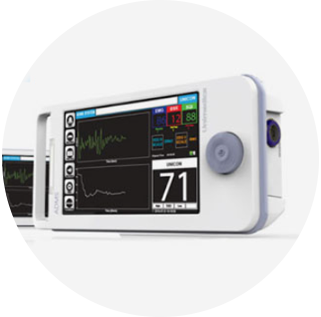
Personalized 1:1 Safe Anesthesia System
Designed with patient safety as our absolute top priority, our anesthesia system ensures total peace of mind through post-operative recovery.

Comprehensive Aftercare System
To promote rapid recovery and minimize post-operative discomfort or potential side effects, we provide dedicated, continuous care to ensure a seamless recovery process.
Clinic hours
| Weekdays | 10:00 AM – 7:00 PM |
| Saturday | 10:00 AM – 4:00 PM |
| Lunchtime | 1:00 PM – 2:00 PM |
Closed on Sundays and public holidays
Contact Us:
+82-10-5768-4845
Directions
Subway Line 3, Apgujeong Station, Exit 3
1st and 2nd floors, Apgujeong Building, 842 Nonhyeon-ro, Gangnam-gu, Seoul



Frequently Asked Questions
What is ptosis correction?
Ptosis correction is a procedure for weak eye-opening strength or drooping eyelids that can make the eyes appear sleepy or heavy. It is designed to address the underlying cause and create a clearer, more defined eye contour.
How long does ptosis correction take?
The procedure takes about 60 minutes.
What type of anesthesia is used for ptosis correction?
Sleep anesthesia or local anesthesia may be used.
Will I need to stay overnight after ptosis correction?
No. You can be discharged the same day.
When are stitches removed after ptosis correction?
Stitches are removed about 7 days after surgery.
How long is the recovery period for ptosis correction?
The recovery period is about 7 days.
What can cause ptosis?
Ptosis may be present from birth because of weak eyelid-lifting muscle strength. It may also develop with long-term contact lens wear, aging, complications from double-eyelid surgery, or autoimmune diseases that restrict the eyelid-lifting muscle.
How can I find out whether I need ptosis correction?
Evaluation may include an MRD measurement from the pupil to the eyelid edge, a levator muscle function test, an eyelid laxity test, and an assessment of tissue thickness.
What is incisional ptosis correction?
Incisional ptosis correction is intended for cases involving severe eyelid-skin sagging or significantly weak eye-opening power. It can also remove unnecessary eyelid tissue.
How is incisional ptosis correction performed?
The process begins with a one-to-one consultation and customized design. An incision is made in the eyelid, unnecessary fat and tissue are removed, and the lifting muscles and tendons are pulled, secured, and sutured according to the design.
Who may be a candidate for incisional ptosis correction?
It may be suitable for people with significantly weak eye-opening strength, excessive eyelid fat or tissue, a need for revision after prior ptosis surgery, or insufficient results from non-incisional ptosis correction.
What aftercare is available following ptosis correction?
Dedicated, continuous aftercare is provided to support recovery and help minimize post-operative discomfort or potential side effects.