
Achieving the most ideal facial proportions with fine detail
Functional Rhinoplasty in Korea

Correcting Function & Enhancing Aesthetics Simultaneously
What Is Functional Rhinoplasty at LABOM?
Labom Functional Rhinoplasty utilizes advanced 3D-CT and FULL 3D Nasal Endoscopy prior to surgery for precise diagnosis. It combines functional surgery—correcting internal issues such as septal deviation, nasal valve stenosis, rhinitis, and sinusitis—with aesthetic rhinoplasty in a single procedure.
Functional Rhinoplasty Key Information

Surgery Duration
1-2 hours

Anesthesia
sleep Sedation

Hospitalization
Same-day discharge

stitch removal
7 days

Recovery Period
About 7 days
Functional Rhinoplasty: Enhancing Form & Correcting Fuction
Structural issues in the septum or nasal valve often trigger chronic rhinitis symptoms.
Simultaneously correcting these functional problems alongside the aesthetic contour is essential to relieve nasal congestion and prevent future nasal shape deformities.

Improve Internal Nasal Problems
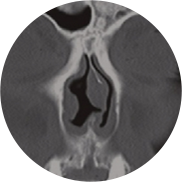
Correcting a deviated nasal septum, expanding a narrow nasal valve, and reducing enlarged turbinates to relieve nasal congestion
Improve External Appearance
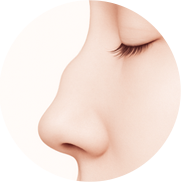
Customized rhinoplasty tailored to each nasal type—including a crooked nose, hump nose, and saddle nose—caused by nasal septum deformities.
Rhinoplasty for Deviated Nasal Septum
The nasal septum is the vertical structure located in the center of the nose that divides the two nostrils.
A deviated nasal septum occurs when this septum is bent or displaced. Depending on the direction and severity of the deviation, it is commonly classified as either a C-shaped or S-shaped deviation. This condition can lead to functional problems such as nasal obstruction, chronic rhinitis, and sinusitis.
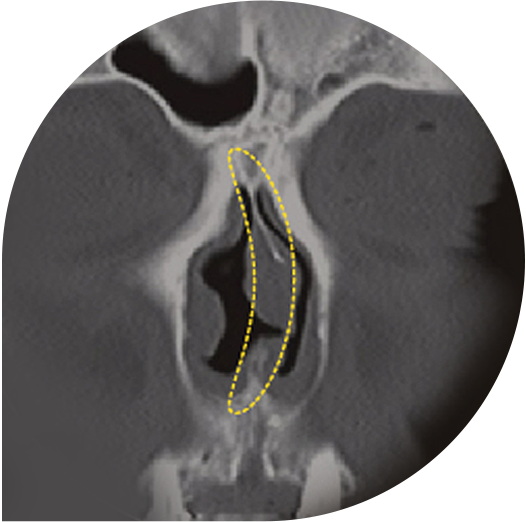
Deviated Septum Surgery Technique
Depending on the degree and pattern of the septal deviation, the curved portion of the septal cartilage is carefully removed. The remaining healthy septal cartilage is then used to accurately reshape and support the nasal tip, restoring both its shape and height.
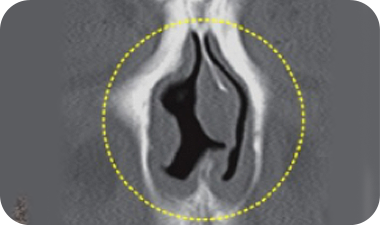
Before Surgery
Deviated Nasal Septum
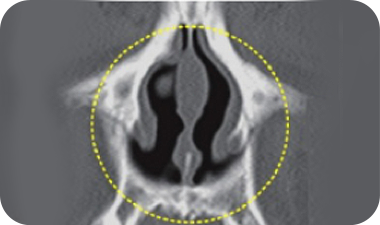
After Surgery
Corrected Nasal Septum
Rhinoplasty for Nasal Valve Stenosis
The nasal valve is the narrowest part of the nasal airway through which air passes inside the nose.
Because it is naturally the narrowest section of the nasal passage, this area can become even more constricted due to various causes, resulting in a condition known as nasal valve stenosis. When the nasal valve narrows, it can lead to nasal obstruction and sleep disturbances.
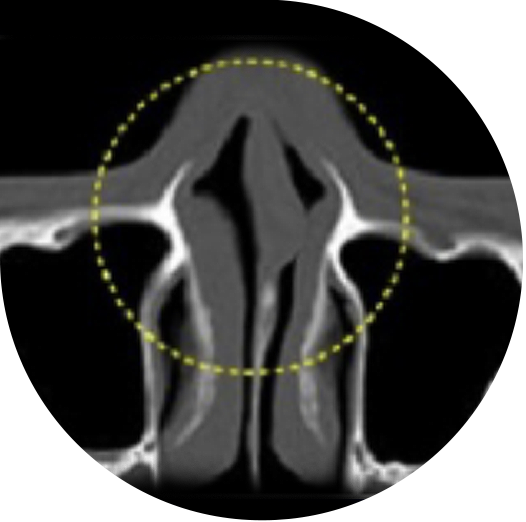
Nasal Valve Stenosis Surgery Technique
To correct a narrowed nasal valve, a spreader graft technique is used. Cartilage is placed between the nasal septum and the sidewall of the nose to widen the nasal valve and improve airflow.
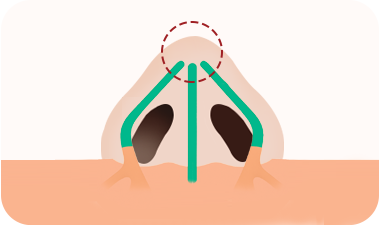
Narrow nasal valve before surgery
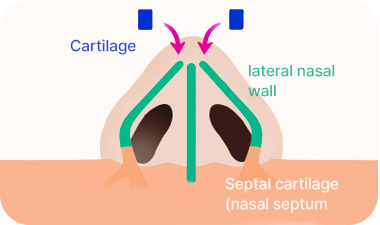
Cartilage grafting between the septal cartilage and the lateral nasal wall
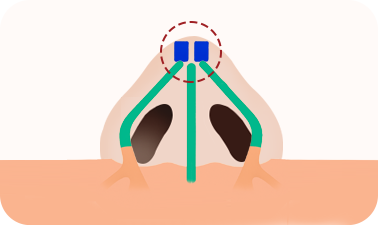
Corrected nasal valve stenosis with a widened nasal valve
Rhinoplasty for Hypertrophic Rhinitis
Rhinitis can be classified into several types, including allergic rhinitis, vasomotor rhinitis, and hypertrophic rhinitis. Among these, hypertrophic rhinitis is the type that can be most effectively treated with surgery.
This condition occurs when the inferior turbinates—the soft tissue structures inside the nose—become abnormally enlarged, blocking the nasal airway. As a result, patients may experience nasal congestion, frequent sneezing, and nasal itching.
Hypertrophic Rhinitis Surgery Technique
Using radiofrequency energy or electrocautery, the overall size of the enlarged inferior turbinates is reduced, creating more space inside the nasal cavity and improving airflow.
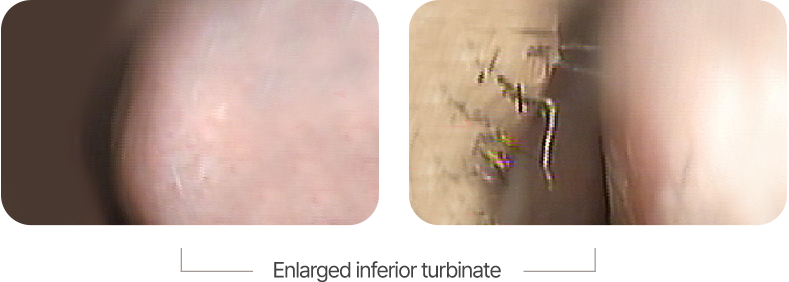
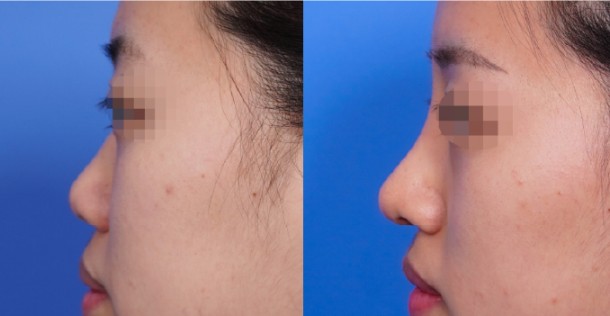
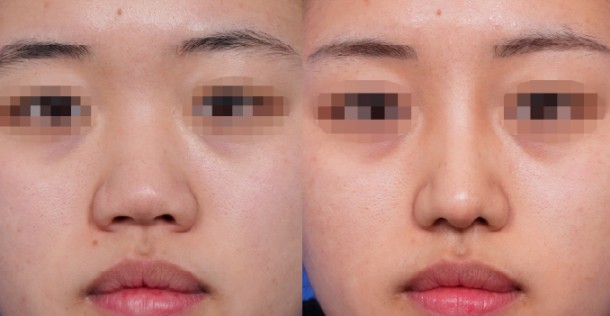
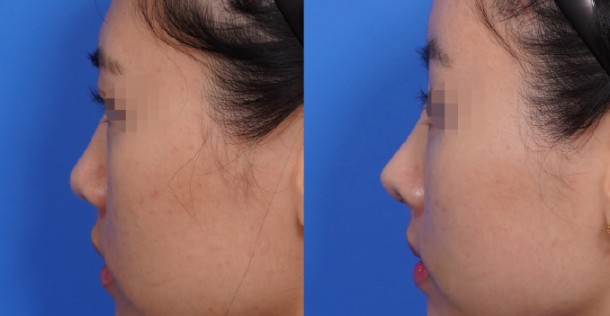
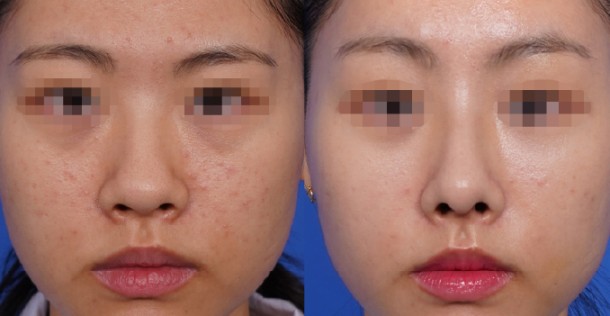
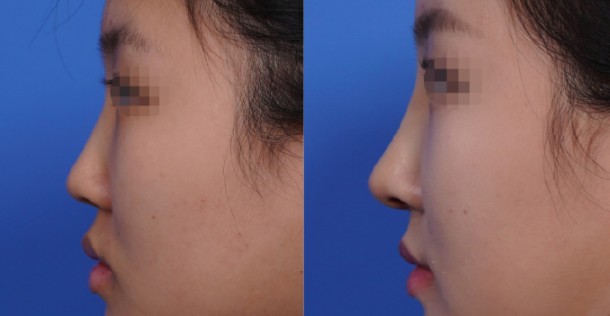
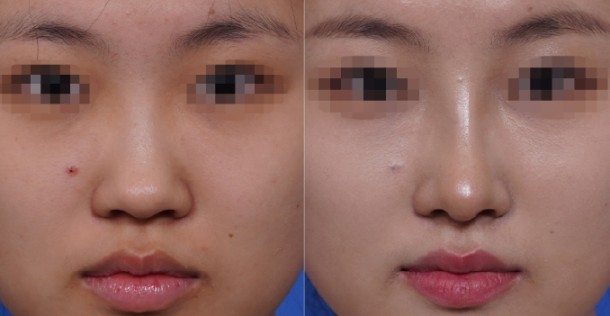
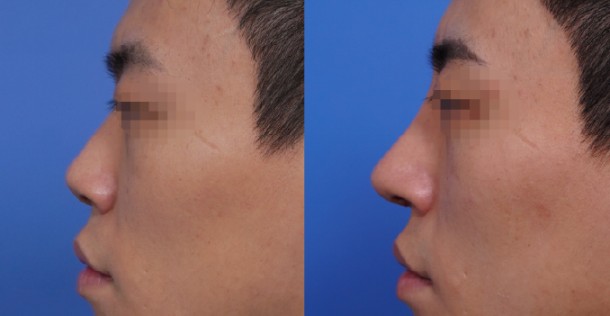
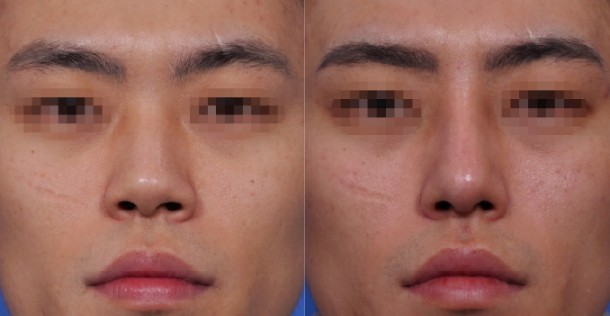
Rhinoplasty Before & After
 Nose Surgery Before & After…
- Nose Surgery Before & After…
- Nose Surgery Before & After…
- Nose Surgery Before & After…
- Nose Surgery Before & After…
- Nose Surgery Before & After…
- Nose Surgery Before & After…
- Nose Surgery Before & After…
- Nose Surgery Before & After…
- Nose Surgery Before & After…
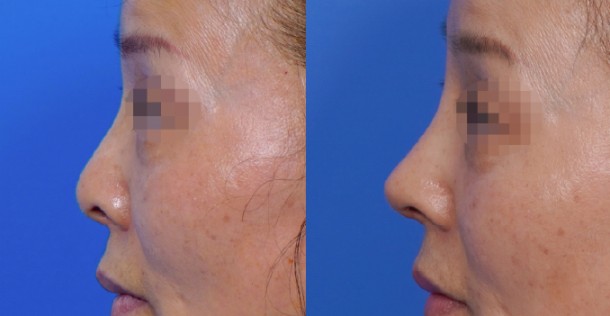
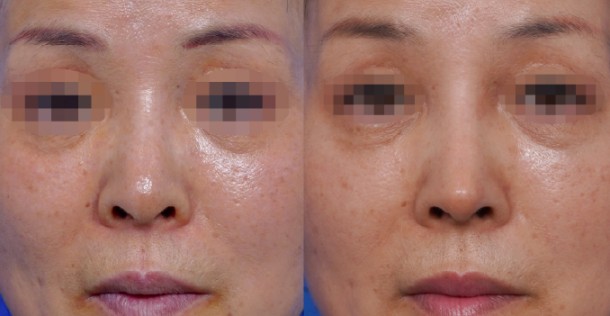
Hear From Our Real Patients
 라봄성형외과의원
Gangnam District, Nonhyeon-ro, 842 압구정빌딩 1층
- I had a deep facelift done at LaBen, and it's only been 8 days, so I feel pretty good. They do deep facelifts, and I could feel the effects immediately … More after the procedure. But we'll have to see how the recovery goes. The doctor and translator were very friendly, and their service is really excellent.
- I thought about it a lot, but I'm glad I had the surgery here. I am satisfied with the results.
- They examined me thoroughly during the consultation, so I trusted them and went ahead with the procedure. The hospital is clean, and although it has only … More been three days, I am looking forward to the recovery as it seems like it will go well.


Begin Your Consultation Today
Online consultation at LABOM is quick and easy, and completely free. Simply fill in our consultation form with all your details, and a staff member will get back to you as soon as possible to further discuss your needs and goals.
LABOM EXPERTISE
plastic surgery Done Right
We deliver optimized beauty tailored to each individual through proper methods faithful to the fundamentals of medicine and trendy designs that are one step ahead.
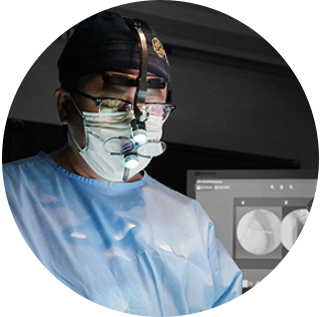
Endless research for beauty
We do not neglect a scientific approach to the pursuit of beauty, through ceaseless research and effort.
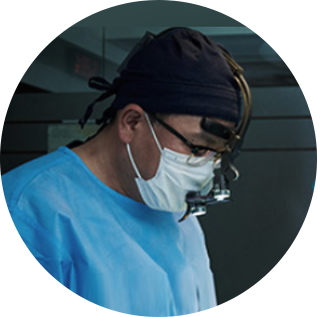
Expert Know-How and Precision Technique
Built on over 20 years of accumulated experience and expertise, LABOM delivers a truly differentiated standard of medical care.
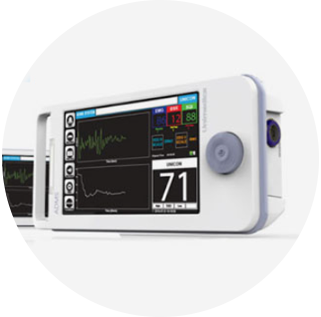
Personalized 1:1 Safe Anesthesia System
Designed with patient safety as our absolute top priority, our anesthesia system ensures total peace of mind through post-operative recovery.
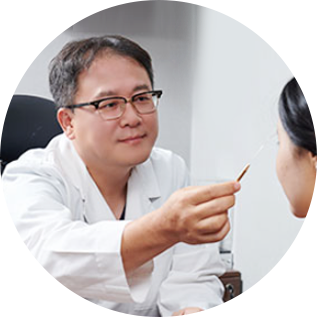
Comprehensive Aftercare System
To promote rapid recovery and minimize post-operative discomfort or potential side effects, we provide dedicated, continuous care to ensure a seamless recovery process.
Clinic hours
| Weekdays | 10:00 AM – 7:00 PM |
| Saturday | 10:00 AM – 4:00 PM |
| Lunchtime | 1:00 PM – 2:00 PM |
Closed on Sundays and public holidays
Contact Us:
+82-10-5768-4845
Directions
Subway Line 3, Apgujeong Station, Exit 3
1st and 2nd floors, Apgujeong Building, 842 Nonhyeon-ro, Gangnam-gu, Seoul



Frequently Asked Questions
What is functional rhinoplasty?
Functional rhinoplasty combines surgery to address internal nasal concerns, such as a deviated septum, nasal valve stenosis, rhinitis, or sinusitis, with aesthetic rhinoplasty in one procedure.
How is functional rhinoplasty planned?
Planning includes advanced 3D-CT imaging and full 3D nasal endoscopy before surgery to precisely diagnose internal nasal concerns.
How long does functional rhinoplasty take?
The procedure generally takes about 1 to 2 hours.
What type of anesthesia is used for functional rhinoplasty?
Sleep sedation is used.
Will I need to stay overnight after surgery?
No. Functional rhinoplasty is designed for same-day discharge.
When are stitches removed after functional rhinoplasty?
Stitches are removed about 7 days after surgery.
How long is the recovery period?
Recovery takes about 7 days.
Can functional rhinoplasty help relieve nasal congestion?
Yes. It can address concerns such as a deviated septum, a narrow nasal valve, and enlarged turbinates, which may contribute to nasal congestion.
What is a deviated nasal septum?
A deviated nasal septum occurs when the vertical structure that separates the nostrils is bent or displaced. It may be C-shaped or S-shaped and can be associated with nasal obstruction, chronic rhinitis, and sinusitis.
How is a deviated septum corrected during rhinoplasty?
The curved part of the septal cartilage is carefully removed according to the degree and pattern of deviation. The remaining healthy cartilage can then be used to reshape and support the nasal tip.
What is nasal valve stenosis?
Nasal valve stenosis is narrowing of the nasal valve, the narrowest part of the nasal airway. It can contribute to nasal obstruction and sleep disturbances.
How is nasal valve stenosis treated during rhinoplasty?
A spreader graft technique places cartilage between the nasal septum and the sidewall of the nose to widen the nasal valve and improve airflow.
What is hypertrophic rhinitis?
Hypertrophic rhinitis occurs when the inferior turbinates, which are soft tissue structures inside the nose, become enlarged and block the nasal airway. Symptoms can include congestion, frequent sneezing, and nasal itching.
How is hypertrophic rhinitis treated surgically?
Radiofrequency energy or electrocautery can reduce the size of enlarged inferior turbinates, creating more space in the nasal cavity and improving airflow.
Can functional rhinoplasty also improve my nose’s appearance?
Yes. Functional concerns can be corrected while tailoring the external shape for nasal types such as crooked noses, hump noses, and saddle noses associated with septal deformities.