
Achieving the most ideal facial proportions with fine detail
Revision Rhinoplasty in Korea

Precise Diagnosis, Personalized Treatment
What is Revision Rhinoplasty?
Revision rhinoplasty corrects a previous rhinoplasty that has failed or produced unsatisfactory results. It begins with a thorough evaluation to identify the exact cause of both aesthetic and functional concerns following previous nose surgery. Whether the issue involves unsatisfactory shape, implant visibility, a contracted nose, inflammation, or other complications, we perform a comprehensive analysis and provide a customized surgical solution tailored to each patient’s specific condition.
Revision Rhinoplasty Key Information

Surgery Duration
1-2 hours

Anesthesia
Sleep sedation

Hospitalization
Same-day discharge

stitch removal
7 days

Recovery Period
7-14 days
LABOM’s Procedure for Revision Rhinoplasty
At LABOM Plastic Surgery, we begin by thoroughly identifying and analyzing the cause of the previous surgical outcome before creating a personalized 1:1 revision surgical plan tailored to each patient.
In general, revision rhinoplasty is recommended after the nasal tissues have fully stabilized, typically 6 to 12 months after the initial surgery. If inflammation or infection is present, the underlying cause must first be treated, and revision surgery should only be performed after confirming complete recovery.
Because the appropriate timing for revision surgery varies depending on the patient’s condition, the cause of the previous surgery’s outcome, and the type of revision required, a thorough consultation with a board-certified plastic surgeon is essential to determine the most suitable time for surgery.

How is Revision Rhinoplasty Done?
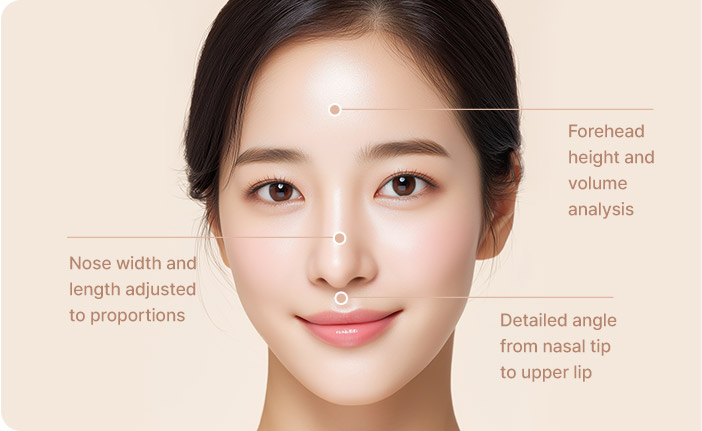
POINT 01
Personalized 1:1 Design Based on Nasal Proportions and Contours
- An ideal nasal bridge that complements your facial proportions
- Balanced, natural-looking nasal proportions and angles
- A refined nasal tip that enhances facial definition for a smaller, more three-dimensional appearance
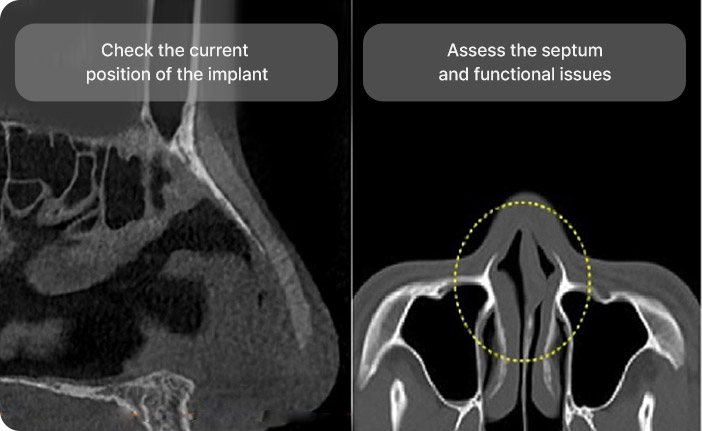
POINT 02
Precise Diagnosis and Analysis with 3D CT Imaging
- Detailed analysis of the nasal anatomy, including the shape of the nasal bones, cartilage condition, and degree of deviation
- Accurate assessment of the current implant position and identification of the causes of the previous surgical outcome
- Comprehensive evaluation of functional nasal structures, including a deviated septum and nasal valve, to identify underlying structural issues
Revision Rhinoplasty Case Examples
CASE 01
Implant Movement
This condition occurs when the implant has shifted from its original position, was inserted crooked from the beginning, or remains centered but moves excessively or appears elevated between the eyebrows.
Implant movement may occur when the implant is not placed in the proper deep layer beneath the periosteum covering the nasal bone, or when the periosteum or skin is inadequately or too narrowly dissected. In such cases, the implant may become displaced or move when touched.
Treatment Technique
The improperly designed or incorrectly positioned implant is carefully removed during surgery. A precisely customized implant is then reinserted into the correct anatomical position to restore the shape of the nasal bridge. If necessary, the implant’s length and contour are meticulously refined during the procedure to achieve the best possible result.

CASE 02
Inflammation or Infection
When inflammation or infection occurs, the nose may become red, swollen, and painful, and in some cases, pus may develop. Inflammatory discharge may also drain from inside the nose as a result of a foreign body reaction.
If not treated promptly in the early stages, the nose may become shortened or stiff, and damage to the skin or cartilage may progressively worsen.
Treatment Technique
The contaminated implant causing the problem is carefully removed. After removal, the surgical area is thoroughly disinfected, and any damaged or torn cartilage and nasal lining (mucosa) are meticulously repaired and reconstructed.

CASE 03
Changes in the Shape of the Nasal Tip
This can occur when the implant extends too far toward the nasal tip and becomes overly prominent, when the skin at the nasal tip is thin, or when the implant is too thick or too wide for the contour of the nasal bones. Over time, the skin at the nasal tip may gradually become thinner, causing the tip to appear increasingly pointed.
Treatment Technique
An excessively long implant is removed and replaced with a new implant of the appropriate length. To reinforce the thinned skin at the nasal tip, autologous cartilage or dermal tissue is grafted to the tip.
Any damaged portions of the nasal tip cartilage are carefully repaired, and both the nasal tip cartilage and any grafted cartilage are meticulously refined to eliminate overly prominent edges and achieve a smooth, natural contour.

CASE 04
Unsatisfactory Aesthetic Results After Rhinoplasty
This occurs when the nose is not designed in harmony with the overall facial proportions—for example, when the area between the eyebrows is made too high, the nose appears excessively high or too low relative to the face, or a nose that is overly narrow and pointed is created despite a wider facial structure.
Treatment Technique
Through a personalized one-on-one consultation and precise evaluation using advanced diagnostic tools such as 3D CT imaging, the underlying cause is carefully identified. The ideal nasal shape and contour are redesigned to complement the patient’s facial features, and the implant is replaced with one of the appropriate size. The nasal bones, cartilage, and soft tissues are then meticulously corrected to achieve a balanced, natural-looking result.

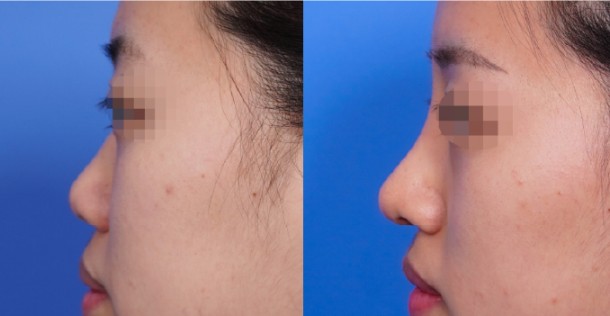
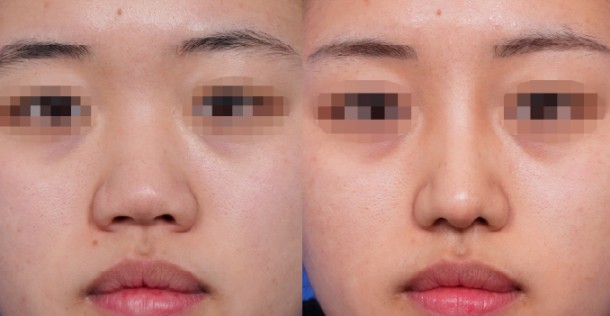
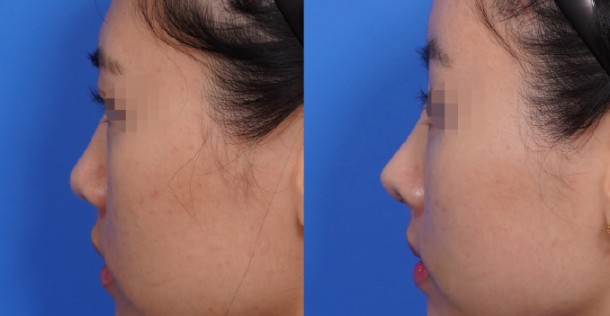
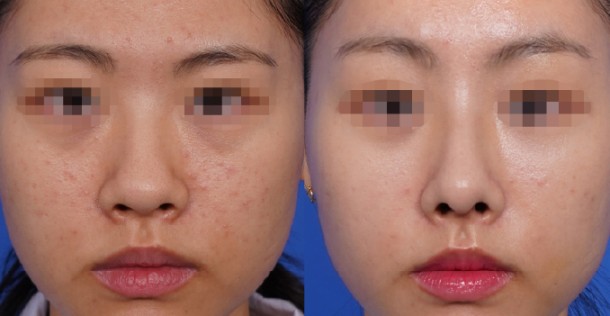
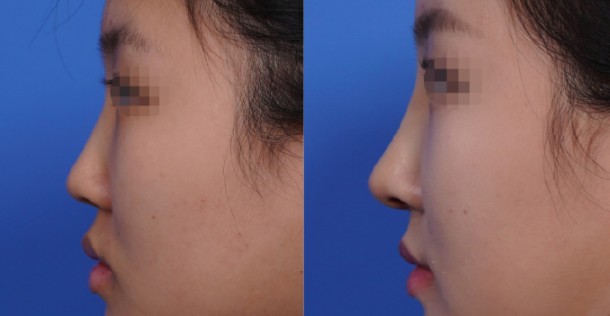
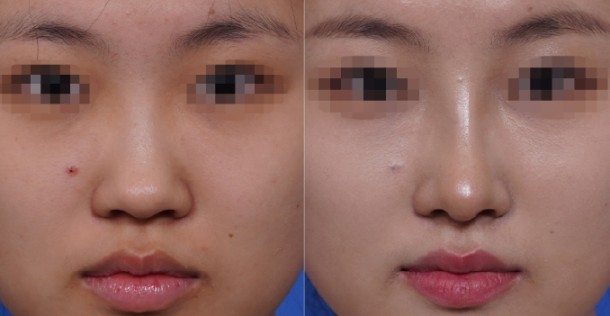
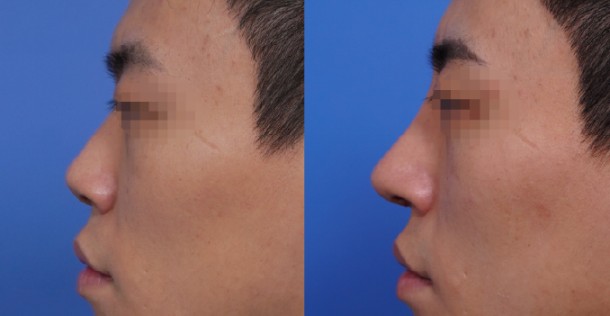
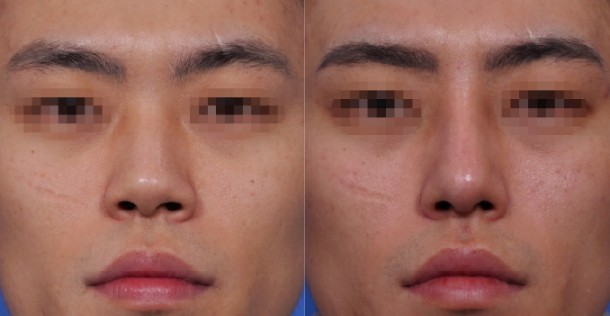
Rhinoplasty Before & After
 Nose Surgery Before & After…
- Nose Surgery Before & After…
- Nose Surgery Before & After…
- Nose Surgery Before & After…
- Nose Surgery Before & After…
- Nose Surgery Before & After…
- Nose Surgery Before & After…
- Nose Surgery Before & After…
- Nose Surgery Before & After…
- Nose Surgery Before & After…
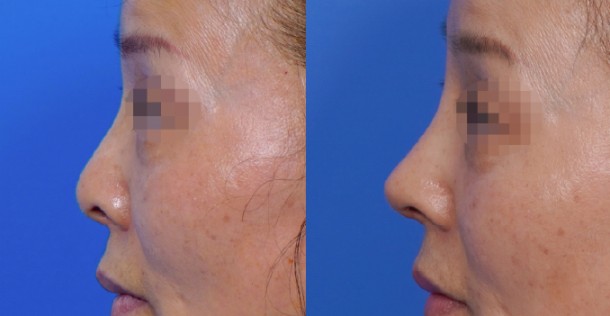
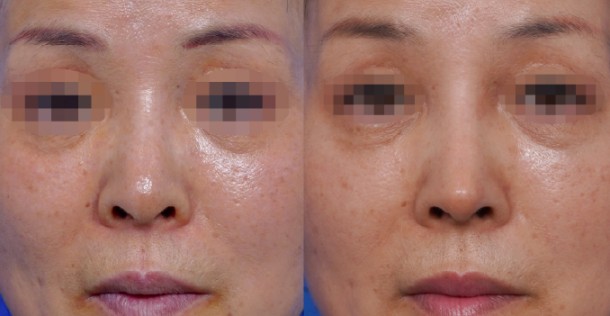
Hear From Our Real Patients
 라봄성형외과의원
Gangnam District, Nonhyeon-ro, 842 압구정빌딩 1층
- I had a deep facelift done at LaBen, and it's only been 8 days, so I feel pretty good. They do deep facelifts, and I could feel the effects immediately … More after the procedure. But we'll have to see how the recovery goes. The doctor and translator were very friendly, and their service is really excellent.
- I thought about it a lot, but I'm glad I had the surgery here. I am satisfied with the results.
- They examined me thoroughly during the consultation, so I trusted them and went ahead with the procedure. The hospital is clean, and although it has only … More been three days, I am looking forward to the recovery as it seems like it will go well.


Begin Your Consultation Today
Online consultation at LABOM is quick and easy, and completely free. Simply fill in our consultation form with all your details, and a staff member will get back to you as soon as possible to further discuss your needs and goals.
LABOM EXPERTISE
plastic surgery Done Right
We deliver optimized beauty tailored to each individual through proper methods faithful to the fundamentals of medicine and trendy designs that are one step ahead.
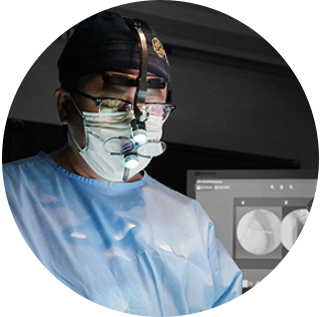
Endless research for beauty
We do not neglect a scientific approach to the pursuit of beauty, through ceaseless research and effort.
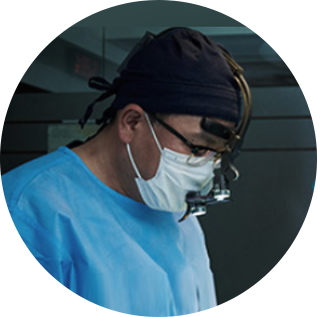
Expert Know-How and Precision Technique
Built on over 20 years of accumulated experience and expertise, LABOM delivers a truly differentiated standard of medical care.
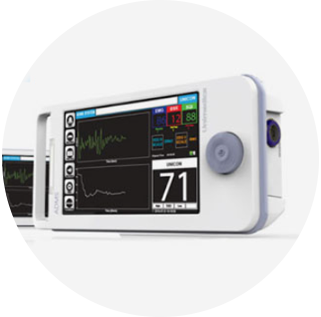
Personalized 1:1 Safe Anesthesia System
Designed with patient safety as our absolute top priority, our anesthesia system ensures total peace of mind through post-operative recovery.
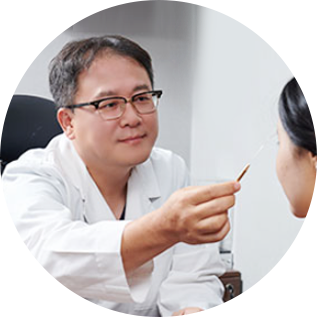
Comprehensive Aftercare System
To promote rapid recovery and minimize post-operative discomfort or potential side effects, we provide dedicated, continuous care to ensure a seamless recovery process.
Clinic hours
| Weekdays | 10:00 AM – 7:00 PM |
| Saturday | 10:00 AM – 4:00 PM |
| Lunchtime | 1:00 PM – 2:00 PM |
Closed on Sundays and public holidays
Contact Us:
+82-10-5768-4845
Directions
Subway Line 3, Apgujeong Station, Exit 3
1st and 2nd floors, Apgujeong Building, 842 Nonhyeon-ro, Gangnam-gu, Seoul



Frequently Asked Questions
What is revision rhinoplasty?
Revision rhinoplasty is surgery to correct a previous nose surgery that did not achieve a satisfactory aesthetic or functional result. It begins with an evaluation of concerns such as nasal shape, visible implants, a contracted nose, inflammation, or other complications.
How long does revision rhinoplasty take?
The surgery typically takes about 1 to 2 hours.
What type of anesthesia is used?
Sleep sedation is used.
Will I need to stay overnight in the hospital?
No. Same-day discharge is provided.
When are stitches removed after surgery?
Stitches are removed about 7 days after surgery.
How long is the recovery period?
The listed recovery period is approximately 7 to 14 days.
When can I consider revision rhinoplasty after my first nose surgery?
Revision surgery is generally recommended once the nasal tissues have fully stabilized, typically 6 to 12 months after the initial surgery. The appropriate timing can vary based on your condition and the type of revision needed.
What happens if I have inflammation or an infection?
The underlying cause should be treated first. Revision surgery should be considered only after complete recovery has been confirmed.
How is my nose evaluated before revision surgery?
Your nasal proportions and contours are assessed, along with detailed 3D CT imaging of the nasal bones, cartilage, deviation, implant position, septum, and nasal valve.
What can be done if a nasal implant has moved?
An improperly designed or positioned implant can be removed and replaced with a customized implant placed in the correct anatomical position. Its length and contour may also be refined during surgery.
How is inflammation or infection related to an implant treated?
The contaminated implant is removed, the area is disinfected, and damaged cartilage or nasal lining can be repaired and reconstructed.
What can be done if my nasal tip has become too pointed after rhinoplasty?
An overly long implant can be replaced with one of a suitable length. Autologous cartilage or dermal tissue may be grafted to reinforce thinned tip skin, while damaged cartilage and prominent edges are refined for a smoother contour.
Can revision rhinoplasty improve a nose that does not suit my facial proportions?
Yes. The nasal shape and contour can be redesigned after a personalized consultation and detailed evaluation. The implant, nasal bones, cartilage, and soft tissue can be adjusted to create a more balanced, natural-looking result.