
Achieving the most ideal facial proportions with fine detail
Rhinoplasty in Korea

100% Customized Rhinoplasty
What is Rhinoplasty at LABOM?
At LABOM Plastic Surgery, rhinoplasty by type is individually planned for each patient. By analyzing overall proportions—including how the eyes, nose, and mouth harmonize with your facial structure—as well as the forehead-to-nose angle and nasolabial angle, we design a fully tailored height and line.
Rhinoplasty Key Information

Surgery Duration
1-2 hours

Anesthesia
Sedation

Hospitalization
Same-day discharge

stitch removal
7 days

Recovery Period
7-14 days
Rhinoplasty for a Low Nose (Flat Nose)
‘Low nose’ or ‘flat nose’ refers to a nose where the area between the brows is wide, the bridge appears low and broad, and the tip and nostrils look flat or bulbous.
After designing based on your facial shape and overall nose structure, the bridge is elevated while refining a blunt tip and wide nasal bridge.

Low Nose Surgery Technique
Raising the bridge blindly just because it is low can disrupt overall facial harmony.
Low Nose Surgery at LABOM considers individual anatomical features and overall facial contours to design an ideal height and width.
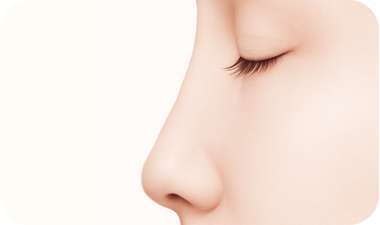
Before: Flat, low nose
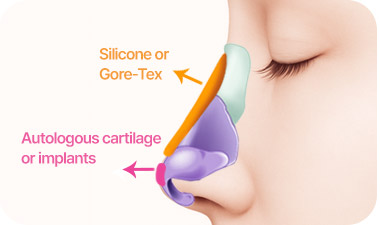
Customized Implant Placement: Uses tailored implants such as silicone, Gore-Tex, or autologous cartilage
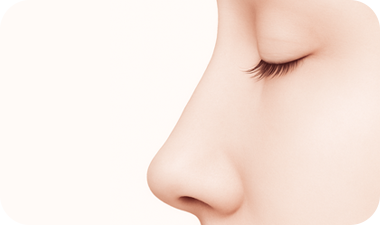
Result: Completes a natural nasal line that matches your facial proportions
Rhinoplasty for a Hump Nose (Aquiline Nose)
Refers to a nose where the middle portion of the bridge—where bone and cartilage meet—protrudes outward.
The projecting bone and cartilage are precisely assessed, then smoothly reduced and refined to eliminate the unwanted bump.

Hump Nose Surgery Technique
Hump Nose Surgery at LABOM precisely measures the projecting bone and cartilage areas, shaving and meticulously refining them.
The gap created at the shaved cartilage site is filled with cartilage grafts, and an osteotomy is performed to narrow the bridge so it does not appear wide.
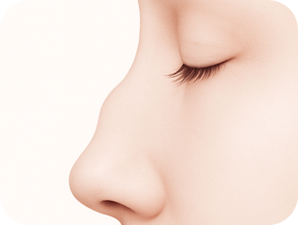
Before Surgery
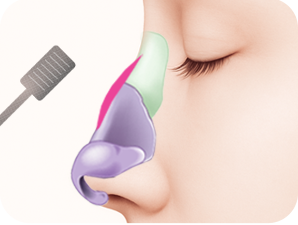
Procedure: Shaving the protruding hump or performing a nasal bone osteotomy
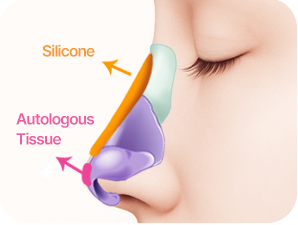
If Bridge is Low: Inserting silicone or autologous tissue
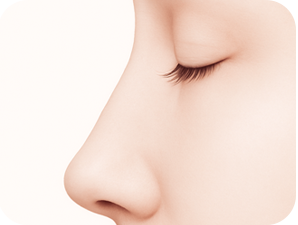
Result: A smoothly defined nasal bridge is achieved
Rhinoplasty for a Crooked Nose (Deviated Nose)
Refers to a nose where the line from the nasal bridge down to the tip appears bent in a C-shape or S-shape.
Depending on the degree of deviation, the asymmetry of the bridge is corrected and cartilage grafting is performed, improving both functional and aesthetic aspects at the same time.

Crooked Nose Surgery Technique
In over 90% of crooked nose cases, a deviated nasal septum is present.
Crooked Nose Surgery at LABOM corrects the asymmetry of the bridge and performs cartilage grafting to functionally reinforce weakened areas. By performing an osteotomy on the nasal bones, both sides are brought into symmetry, while fine adjustments to the nasal tip cartilage ensure balanced, symmetrical results.
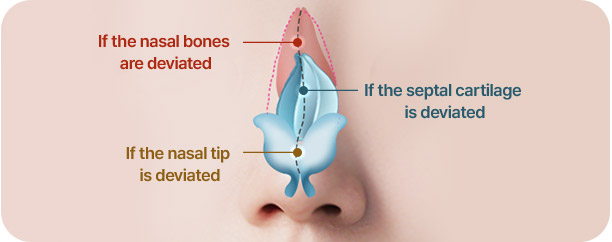
Precise cause analysis through thorough pre-operative inspection
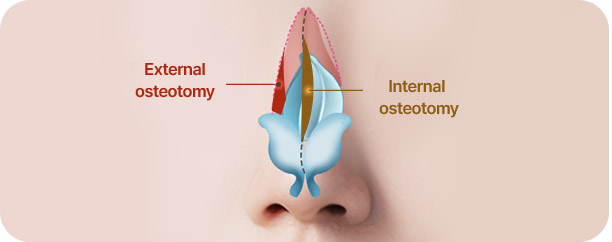
Correction via medial osteotomy and lateral osteotomy depending on the cause
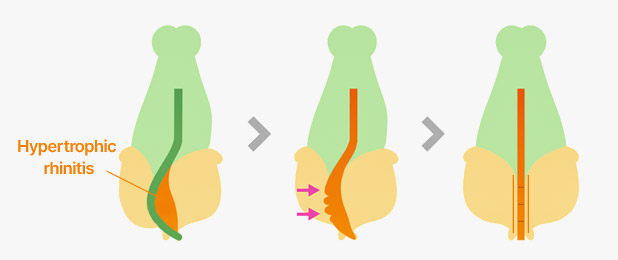
Correction range for C-shaped deviated septum
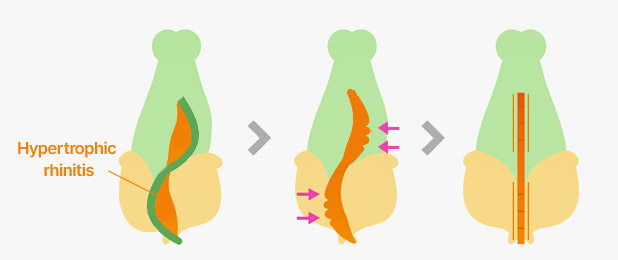
Correction range for S-shaped deviated septum
Rhinoplasty for a Bulbous Nose
Refers to a nose where the nasal tip and nostrils appear excessively blunt and wide compared to the width of the bridge.
The excess fatty tissue in the tip is meticulously removed and the cartilage is gathered, reshaping it into a sharp, refined nasal tip.

Bulbous Nose Surgery Technique
Bulbous Nose/Blunt Tip Surgery at LABOM meticulously removes excess fatty tissue from the nasal tip. If the tip cartilage is excessively large, it is slightly trimmed or gathered using sutures. To create an even more defined tip, autologous cartilage can be grafted to achieve a sharp, prominent contour.
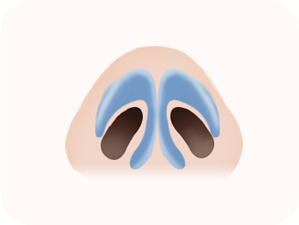
Before: Flat and wide bulbous nose
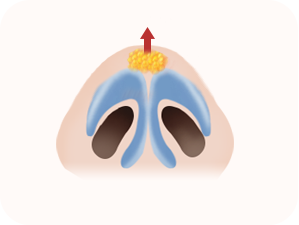
Procedure: Delicate removal of fatty tissue
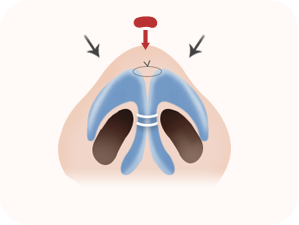
Procedure: Gathering and securing the tip cartilage (or inserting autologous cartilage)
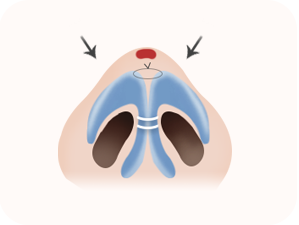
Result: Sharper, well-defined nasal tip after surgery
Rhinoplasty for a Long Nose (Arrowhead Nose)
‘Long nose’ or ‘arrowhead nose’ refers to a nose where the nasal tip droops or hangs downward, making the nose appear long overall.
The tip cartilage is trimmed, and septal extension grafting is used to reposition and secure the nasal cartilage, lifting the drooping nasal tip.

Long Nose/Arrowhead Nose Surgery Technique
Long Nose/Arrowhead Nose Surgery at LABOM combines cartilage repositioning and septoplasty to adjust the length of the nose relative to facial proportions, lifting the drooping nasal tip. To prevent recurrence after correction and achieve a defined tip, the depressor septi nasi muscle (nasal tip depressing muscle) is excised, and a support structure using autologous cartilage is grafted into the tip.
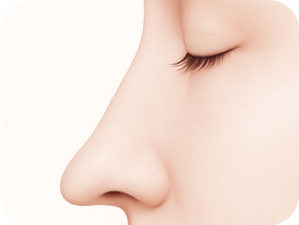
1. Before: Long, downward-drooping nose
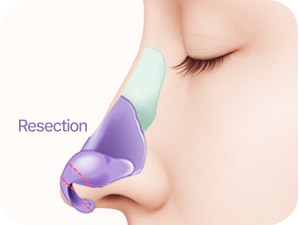
2. Trimming of the nasal tip cartilage
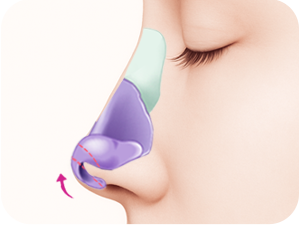
3. Raising of the remaining cartilage upward and suturing it in place
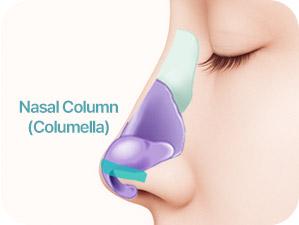
4. Repositioning and securing the nasal cartilage upward (septal extension graft)
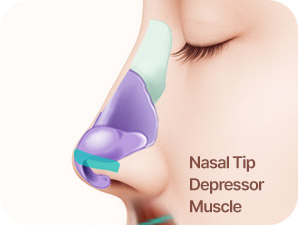
5. Excising the depressor septi nasi muscle to prevent recurrence
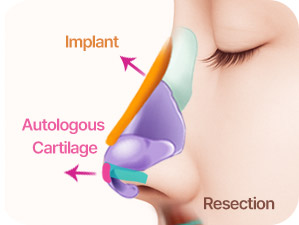
6. Adding implants and autologous cartilage as needed
Rhinoplasty for a Short/Upturned Nose (Piggy Nose)
This refers to a nose that appears short overall and where the tip is turned upward, exposing the nostrils.
By diagnosing the degree of tip elevation, skin thickness, length, and the nasolabial angle, the overall length of the nose is extended, and the nasal tip is brought downward.

Short Nose/Upturned Nose Surgery Technique
Short Nose/Upturned Nose Surgery at LABOM evaluates skin thickness, nostril exposure, and the nasolabial angle to achieve a nose length proportionate to facial features, by correcting the position of the septum and nasal tip cartilage. Depending on the degree of shortness, customized cartilage grafts are used to securely anchor the structure and prevent relapse.
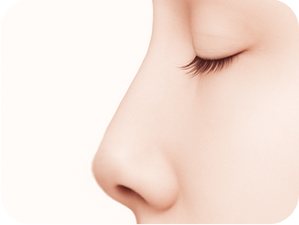
Before: Upturned or short-looking nose
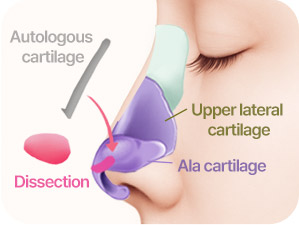
Step 1: Autologous cartilage insertion
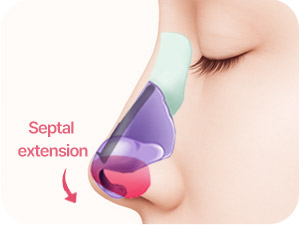
Step 2: Septal extension
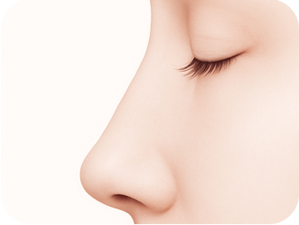
After: Naturally lowered, refined nasal tip
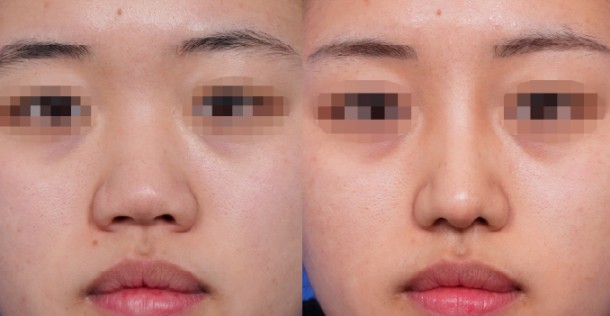
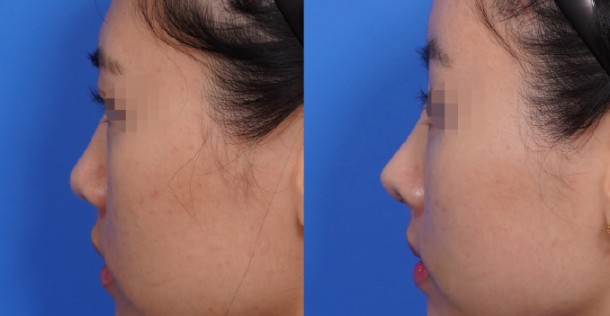
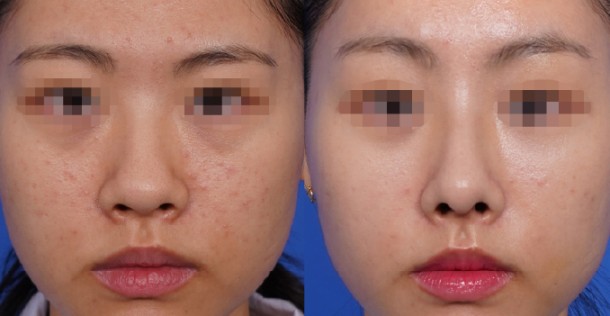
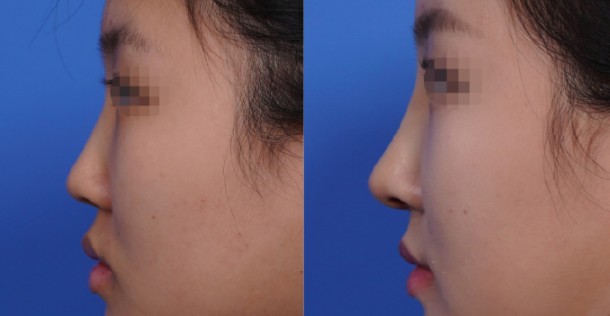
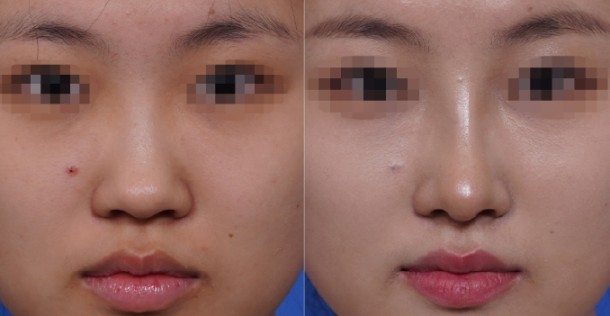
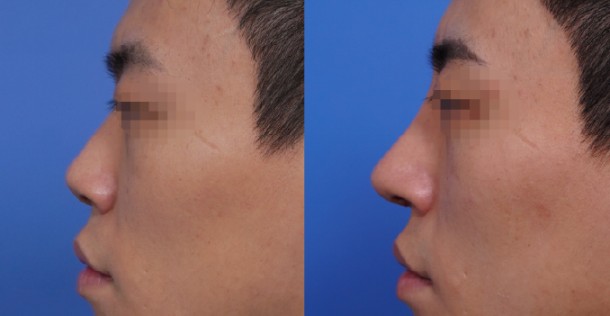
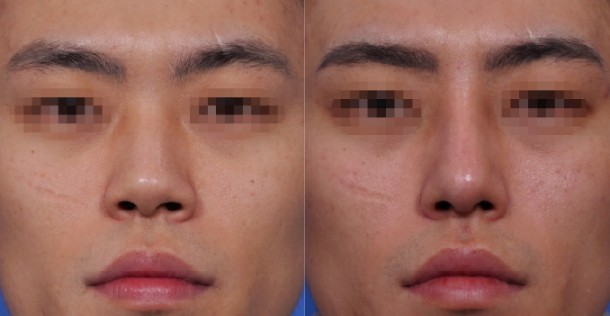
Rhinoplasty Before & After
 Nose Surgery Before & After…
- Nose Surgery Before & After…
- Nose Surgery Before & After…
- Nose Surgery Before & After…
- Nose Surgery Before & After…
- Nose Surgery Before & After…
- Nose Surgery Before & After…
- Nose Surgery Before & After…
- Nose Surgery Before & After…
- Nose Surgery Before & After…
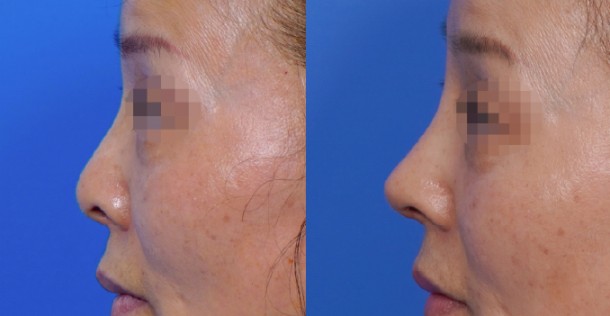
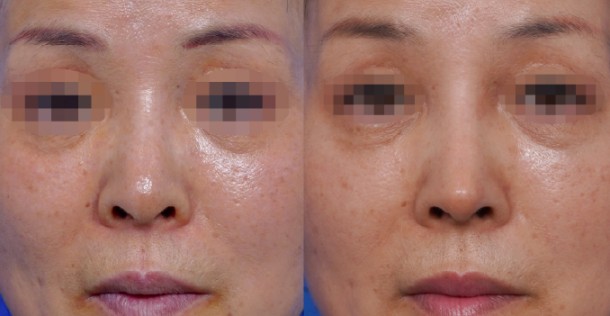
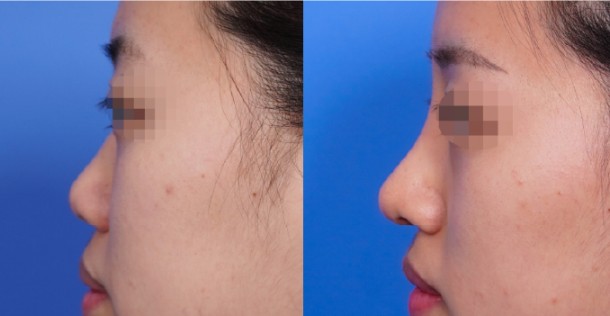
Hear From Our Real Patients
 라봄성형외과의원
Gangnam District, Nonhyeon-ro, 842 압구정빌딩 1층
- I had a deep facelift done at LaBen, and it's only been 8 days, so I feel pretty good. They do deep facelifts, and I could feel the effects immediately … More after the procedure. But we'll have to see how the recovery goes. The doctor and translator were very friendly, and their service is really excellent.
- I thought about it a lot, but I'm glad I had the surgery here. I am satisfied with the results.
- They examined me thoroughly during the consultation, so I trusted them and went ahead with the procedure. The hospital is clean, and although it has only … More been three days, I am looking forward to the recovery as it seems like it will go well.


Begin Your Consultation Today
Online consultation at LABOM is quick and easy, and completely free. Simply fill in our consultation form with all your details, and a staff member will get back to you as soon as possible to further discuss your needs and goals.
LABOM EXPERTISE
plastic surgery Done Right
We deliver optimized beauty tailored to each individual through proper methods faithful to the fundamentals of medicine and trendy designs that are one step ahead.
Endless research for beauty
We do not neglect a scientific approach to the pursuit of beauty, through ceaseless research and effort.
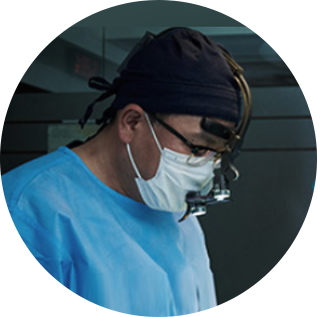
Expert Know-How and Precision Technique
Built on over 20 years of accumulated experience and expertise, LABOM delivers a truly differentiated standard of medical care.
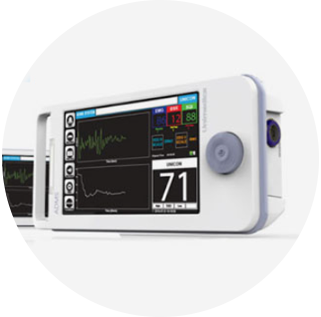
Personalized 1:1 Safe Anesthesia System
Designed with patient safety as our absolute top priority, our anesthesia system ensures total peace of mind through post-operative recovery.
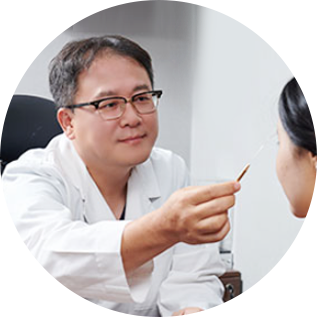
Comprehensive Aftercare System
To promote rapid recovery and minimize post-operative discomfort or potential side effects, we provide dedicated, continuous care to ensure a seamless recovery process.
Clinic hours
| Weekdays | 10:00 AM – 7:00 PM |
| Saturday | 10:00 AM – 4:00 PM |
| Lunchtime | 1:00 PM – 2:00 PM |
Closed on Sundays and public holidays
Contact Us:
+82-10-5768-4845
Directions
Subway Line 3, Apgujeong Station, Exit 3
1st and 2nd floors, Apgujeong Building, 842 Nonhyeon-ro, Gangnam-gu, Seoul



Frequently Asked Questions
What is rhinoplasty designed to address?
Rhinoplasty is tailored to your facial proportions by considering the harmony of your eyes, nose, and mouth, along with the forehead-to-nose and nasolabial angles. The goal is to create a customized nasal height and line.
How long does rhinoplasty take?
The procedure typically takes about 1 to 2 hours.
What type of anesthesia is used for rhinoplasty?
Rhinoplasty is performed with sedation anesthesia.
Will I need to stay overnight after rhinoplasty?
No. You can usually go home the same day.
When are stitches removed after rhinoplasty?
Stitches are generally removed 7 days after surgery.
How long is the recovery period for rhinoplasty?
The listed recovery period is about 7 to 14 days.
What can be done for a low or flat nose?
A low or flat nose can be improved by elevating the bridge and refining a broad bridge or blunt tip. The height and width are planned around your individual anatomy and overall facial contour, using materials such as silicone, Gore-Tex, or your own cartilage when appropriate.
How is a hump or aquiline nose treated?
The protruding bone and cartilage are assessed, then reduced and refined. Cartilage grafts may fill the space created by shaving, and an osteotomy may narrow the bridge. If the bridge is low, silicone or autologous tissue may also be used.
Can rhinoplasty help with a crooked nose?
Yes. For a nose that bends in a C-shape or S-shape, the bridge asymmetry can be corrected with cartilage grafting and osteotomy of the nasal bones. The approach also reinforces weakened areas and fine-tunes tip cartilage for improved symmetry.
What does bulbous nose surgery involve?
For a wide or blunt nasal tip, excess fatty tissue can be removed and tip cartilage can be trimmed or gathered with sutures. Autologous cartilage may be grafted when needed to create a sharper, more defined tip.
How is a long or downward-drooping nose corrected?
The procedure can trim and reposition tip cartilage, use septal extension grafting to lift and secure the tip, and adjust nose length in proportion to the face. It may also remove the muscle that pulls the nasal tip downward and add implants or autologous cartilage if needed.
What can be done for a short or upturned nose?
A short or upturned nose can be lengthened and the tip lowered after evaluating skin thickness, nostril exposure, nose length, and the nasolabial angle. The approach may reposition the septum and tip cartilage and use customized cartilage grafts and septal extension for stable support.
What aftercare is available following rhinoplasty?
Dedicated, continuous aftercare is provided to support recovery and help minimize post-operative discomfort or potential side effects.