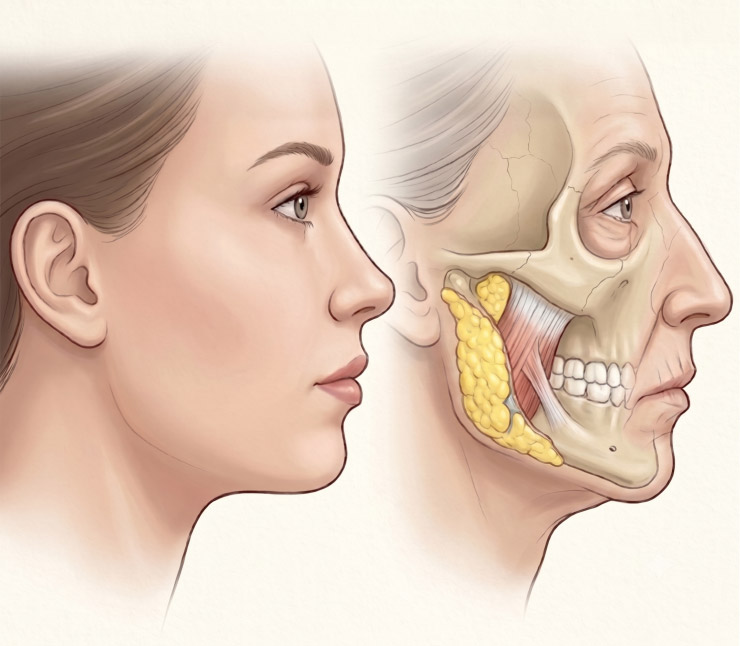
Deep Plane vs. Dual Plane Facelift: What’s the Difference?
Hello, I’m Dr. Taehun Kim, a specialist who has focused on facelift surgery for 30 years.
Today, many patients arrive for their consultations having researched facelift techniques in considerable detail. One of the questions I hear most often is: “What is the difference between a deep plane facelift and a dual plane facelift?”
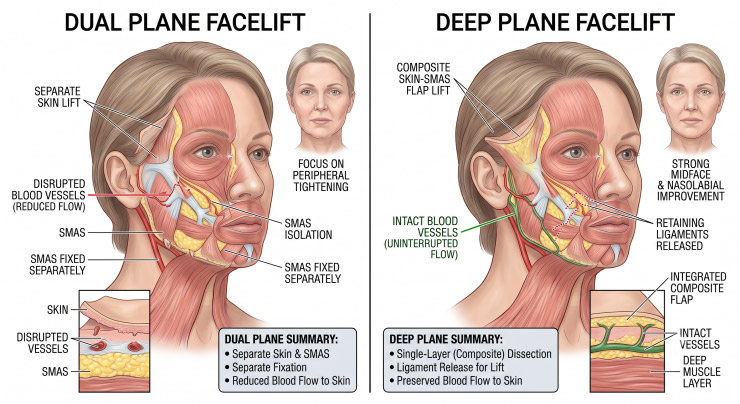
The main difference is how the surgeon separates and repositions the skin and its underlying support layer. In a dual plane approach, these layers are adjusted separately. In a deep plane approach, the surgeon works beneath the support layer, lifting connected tissues together across the treated area.
To understand why this matters, let’s first look at what facelift surgery aims to improve.
What Can a Facelift Improve?
A facelift repositions sagging facial tissues to improve contours, particularly around the lower face and jawline. Depending on the technique and whether neck surgery is included, it may address:
- Sagging cheeks: Changes in cheek position that make the lower face appear heavier or longer.
- Prominent facial folds: Nasolabial folds beside the nose and marionette lines below the corners of the mouth.
- Jowls and reduced jawline definition: Drooping tissue that softens the border of the jaw.
- Uneven lower-face contours: Irregularities associated with loose skin and sagging soft tissues.
- Loose neck skin: Laxity that blurs the transition between the jaw and neck.
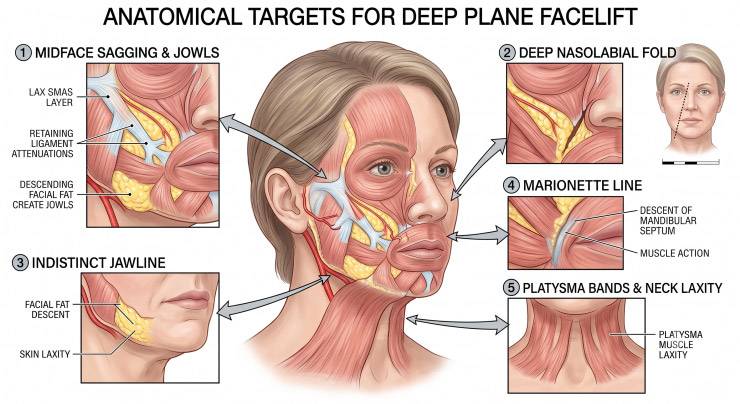
These concerns do not automatically mean surgery is necessary. A consultation helps determine whether a facelift is appropriate and which changes it can realistically address. Fine lines and skin texture may require a different treatment approach.
Why Do Sagging Cheeks Make the Face Look Longer?
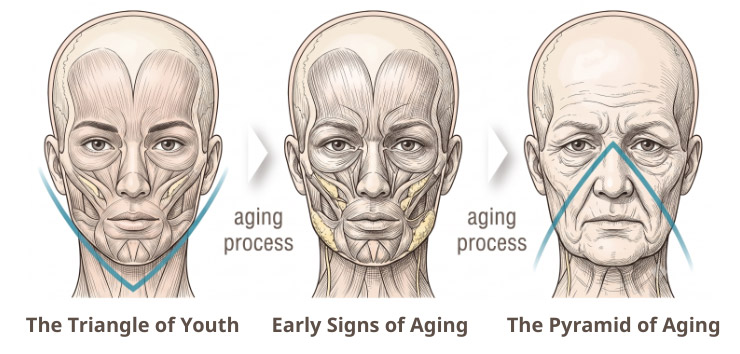
Age-related changes often become noticeable around the cheeks, mouth, and jawline.
As facial support changes, some fat compartments lose volume while surrounding soft tissues descend. Fullness may diminish higher in the cheeks and become more noticeable around the lower face, creating a heavier or more elongated appearance.
However, jowls are not simply the result of one deep cheek fat pad sliding downward. Changes in the skin, fat compartments, retaining ligaments, and underlying bone all contribute.
Facelift surgery therefore often addresses the SMAS—the superficial musculoaponeurotic system, a fibrous tissue layer beneath the skin and subcutaneous fat. Repositioning this support layer helps reshape the overlying facial contours.
Deep Plane vs. Dual Plane Facelift: A Comparison
Facelift terminology varies between surgeons. Here, “dual plane” refers to an approach in which the skin and SMAS are handled separately. The precise method of SMAS treatment may differ.
| Feature | Dual Plane Facelift | Deep Plane Facelift |
|---|---|---|
| Tissue separation | The skin is elevated separately from the SMAS over the planned treatment area. | The surgeon works beneath the SMAS, keeping the skin and SMAS connected across much of the lifted area. |
| Repositioning | The SMAS is tightened or elevated and secured; the skin is then redraped separately. | Selected retaining ligaments are released so connected tissues can be repositioned together. |
| Adjustment | Allows the skin and deeper tissues to be adjusted independently. | Allows movement of the connected tissue unit after release of its attachments. |
| Treatment focus | Can improve lower-face sagging and jawline definition; cheek correction depends on the technique. | Can address cheek descent, facial folds, and jowls; the extent depends on the dissection and release. |
| Blood supply | Skin-flap circulation depends on flap design, thickness, dissection, and patient factors. | Maintaining tissue connections can help preserve circulation within the composite flap. |
| Results and recovery | Depend on surgical technique, individual anatomy, and healing. | Also depend on these factors; the technique does not guarantee faster recovery or greater longevity. |
Both approaches involve deeper facial support. A dual plane facelift should not be confused with a skin-only lift. Published techniques include separate skin and SMAS elevation as well as composite approaches that preserve their connection.
What Are the Potential Benefits of a Deep Plane Facelift?
Repositioning Connected Facial Tissues
Releasing selected retaining ligaments allows the surgeon to mobilize tissues that would otherwise resist movement. The aim is to reposition the facial tissues without relying on excessive skin tension.
A useful analogy is loosening the attachments that hold a structure in place before moving it. The tissues can then be secured in a new position.
Improving Cheek and Jawline Contours
A deep plane approach can help address descended cheek tissues and jowls. It may also soften nasolabial folds, although the degree of improvement varies and complete elimination of a fold should not be expected.
Preserving Tissue Connections
Keeping the skin and deeper tissues connected across the composite flap can preserve vascular connections. This is an anatomical advantage, but it should not be presented as a promise of faster healing for every patient.
Achieving Lasting Improvement
Both deep plane and other SMAS-based facelift techniques can produce lasting improvement. However, comparative evidence does not establish that deep plane surgery consistently lasts longer or produces better results for every patient. Aging also continues after surgery.
What Should Patients Consider Before a Facelift?
Every face is different. Surgical planning should account for your skin thickness, cheek volume, bone structure, and pattern of sagging, as well as any previous procedures and your desired results.
Direction of Lift
The direction and extent of tissue repositioning should suit your facial proportions. The goal is to improve sagging while maintaining balanced contours and a natural appearance.
Cheek Contours and Facial Balance
Cheekbone prominence, facial width, and the distribution of facial volume all influence surgical planning. Whether your concern is hollow cheeks, lower-face heaviness, or a less defined jawline, the approach should address your individual anatomy.
Incision Placement and Scar Management
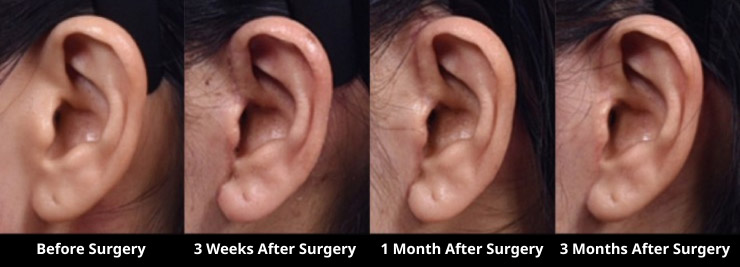
Incisions are planned around the ears and, where appropriate, along or within the hairline. Careful placement and minimizing tension at closure help make scars less noticeable. Your skin characteristics, hairline, previous scars, and healing history should also guide the plan.
Health and Recovery
Your medical history, medications, smoking status, and previous treatments can affect surgical planning and healing. Discuss these with your surgeon to establish realistic expectations for recovery and results.
These considerations apply to both deep plane and dual plane facelifts. The right approach is one tailored to your anatomy, health, and goals.
Which Facelift Technique Is Right for You?
Deep plane surgery requires detailed knowledge of facial anatomy and careful dissection. It can be an effective option, but it does not address every aspect of facial aging or suit every patient.
The most appropriate approach depends on your anatomy, the extent of sagging, previous procedures, and your goals. The surgeon’s experience with the proposed technique is also important.
During your consultation, ask which tissues will be repositioned, what improvement is realistic, and what recovery will involve. Both approaches carry surgical risks, including bleeding, infection, unfavorable scarring, and facial nerve injury.
A personalized surgical plan matters more than the technique’s name alone.
In the next article, we’ll explore the limitations of a deep plane facelift and the approaches that may help address them.

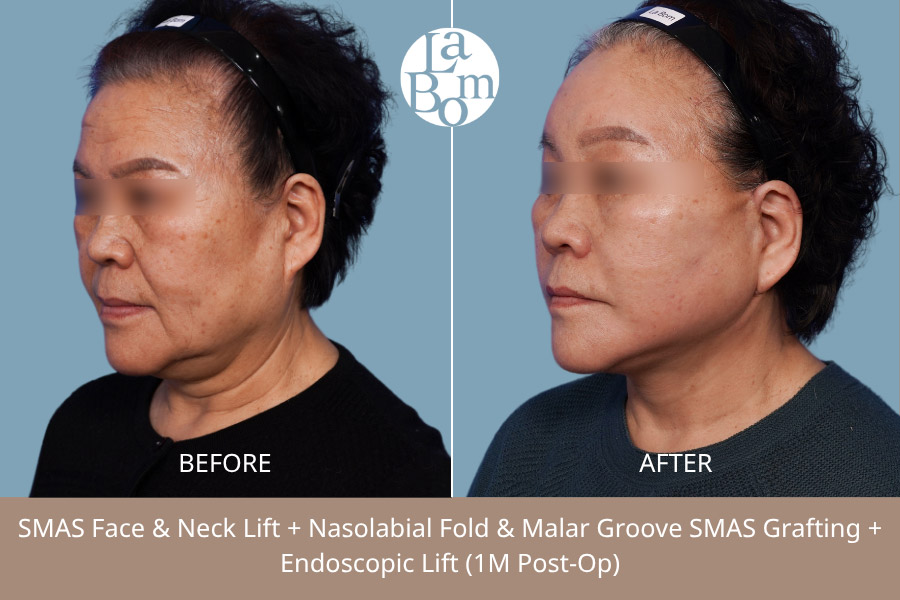
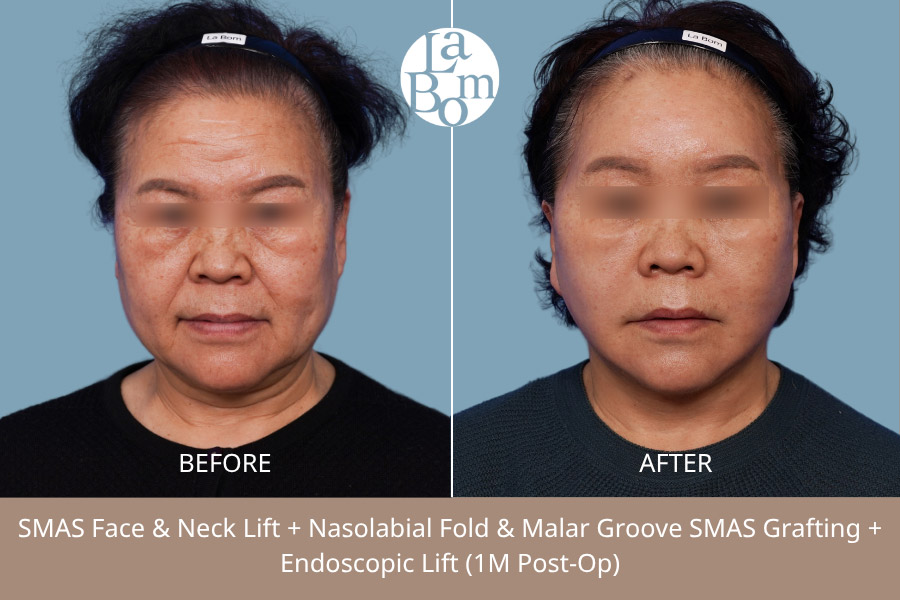
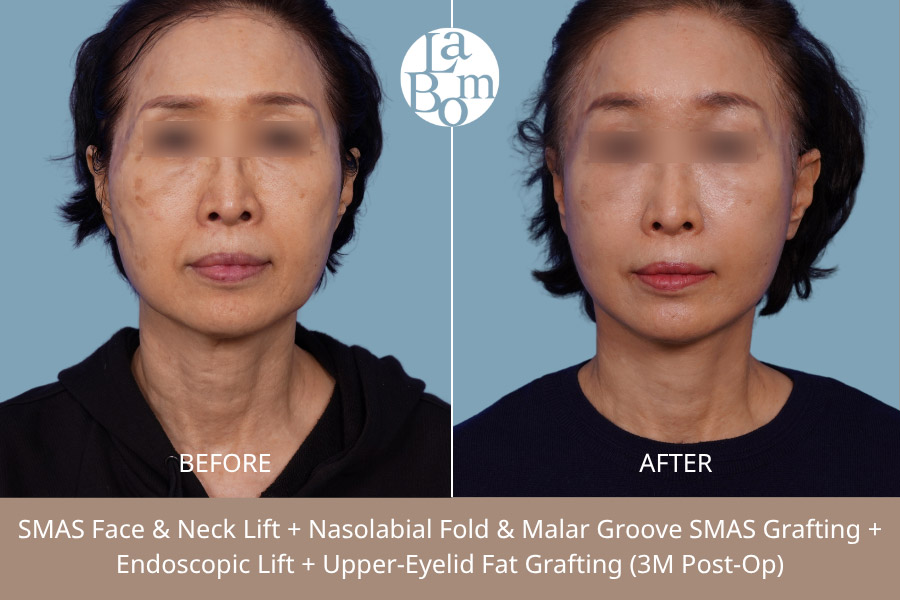
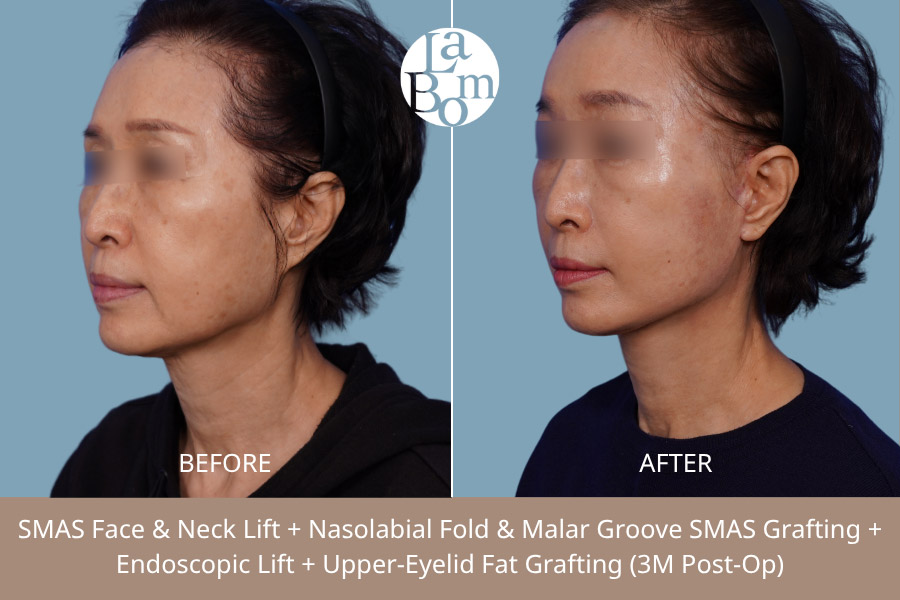
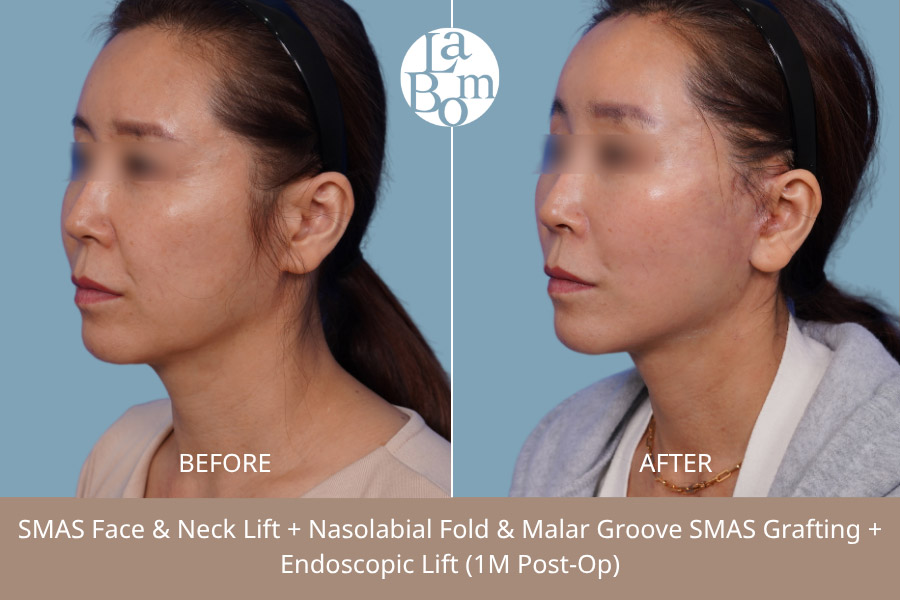
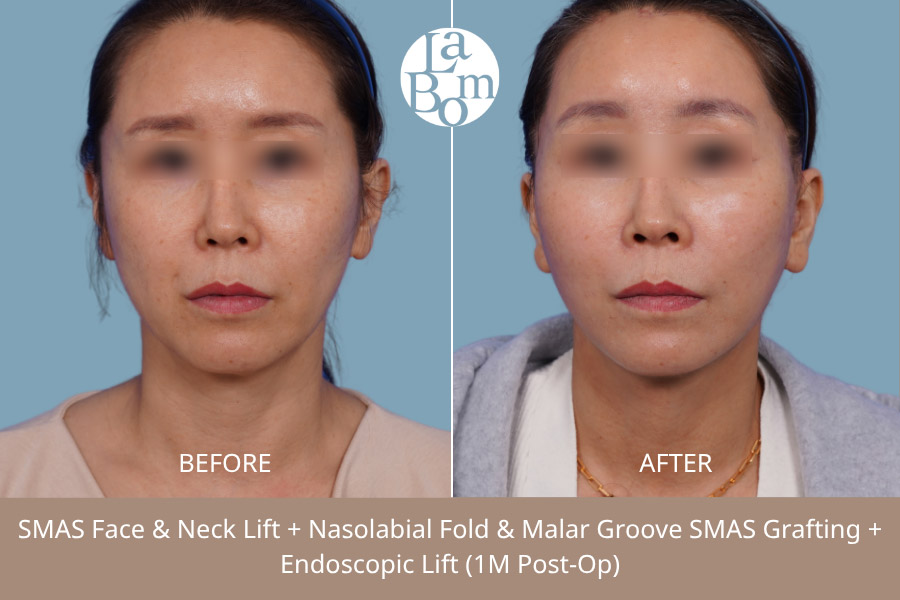
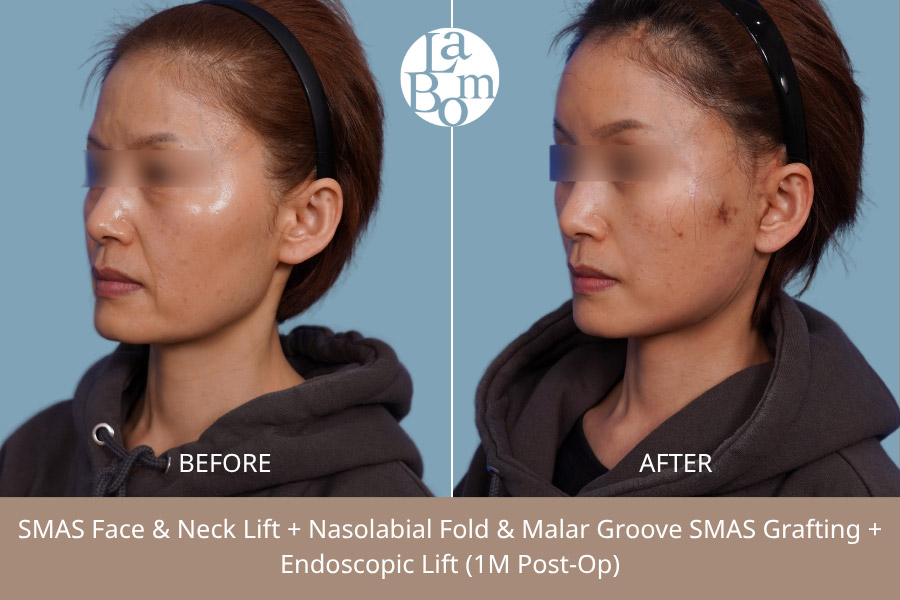
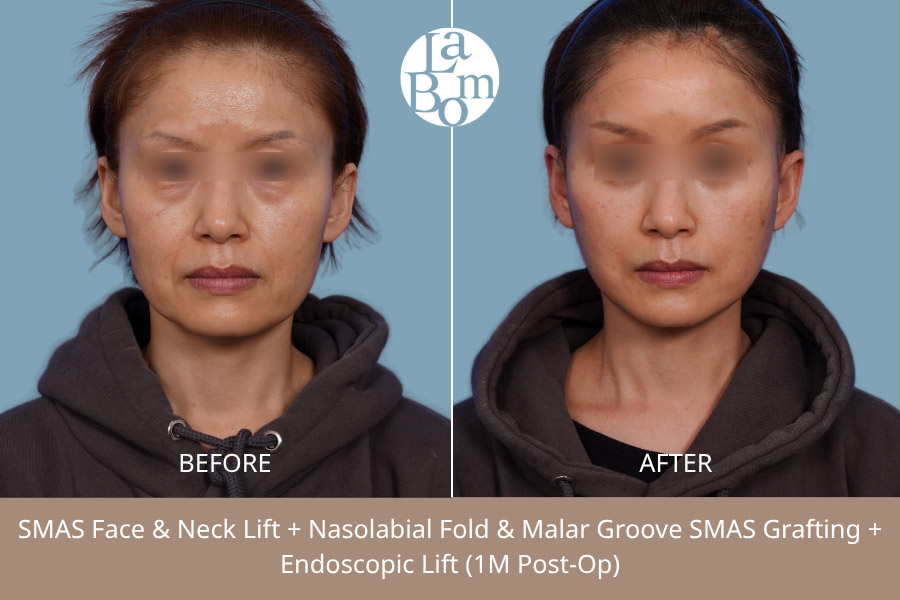
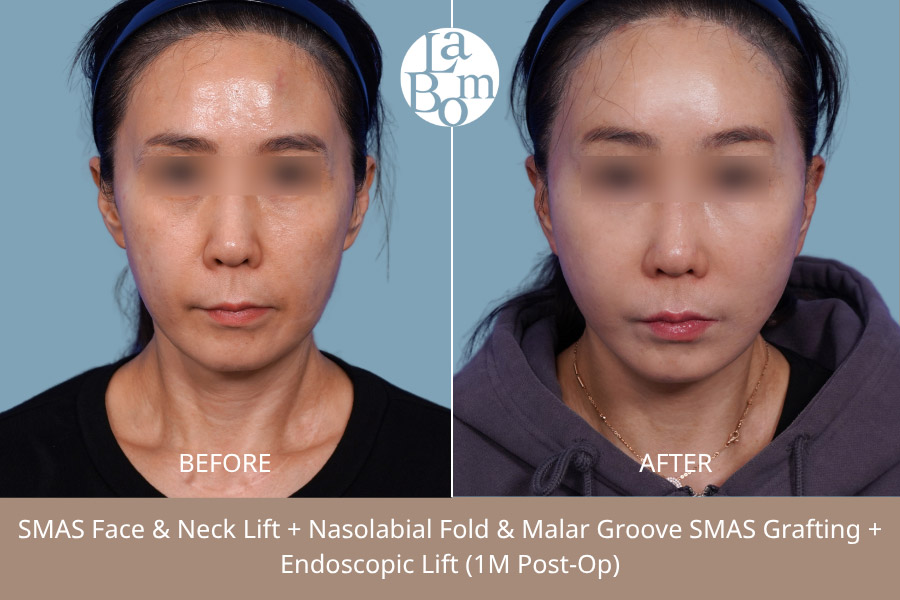
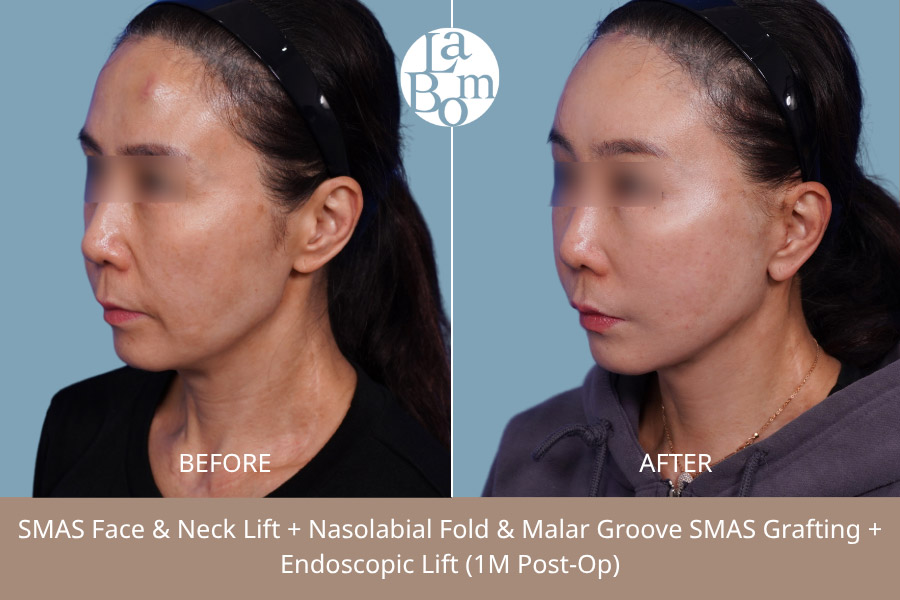
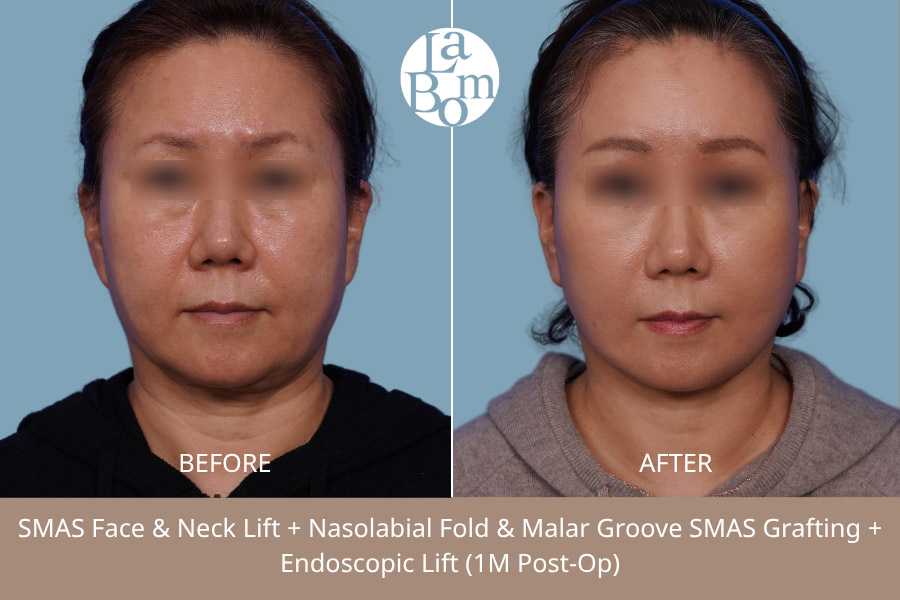
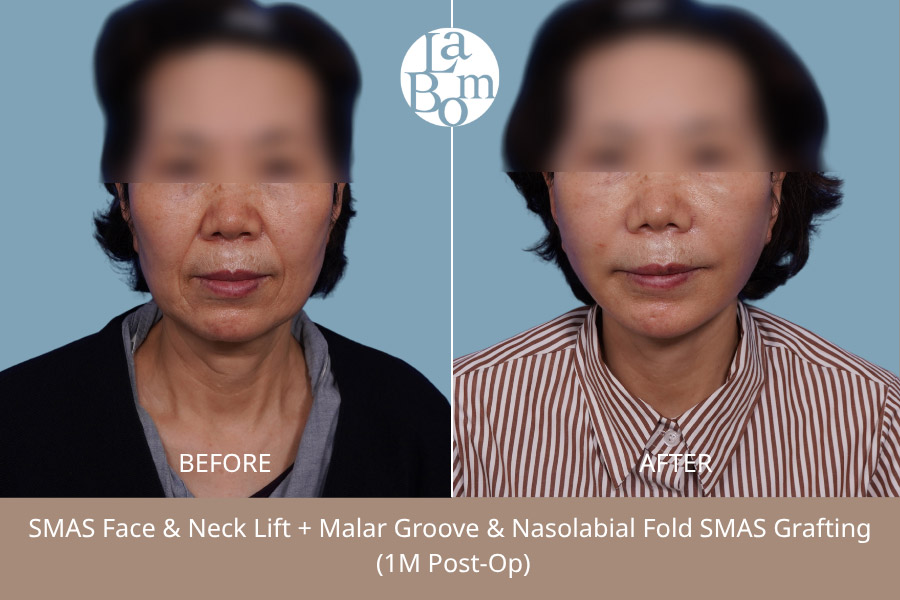
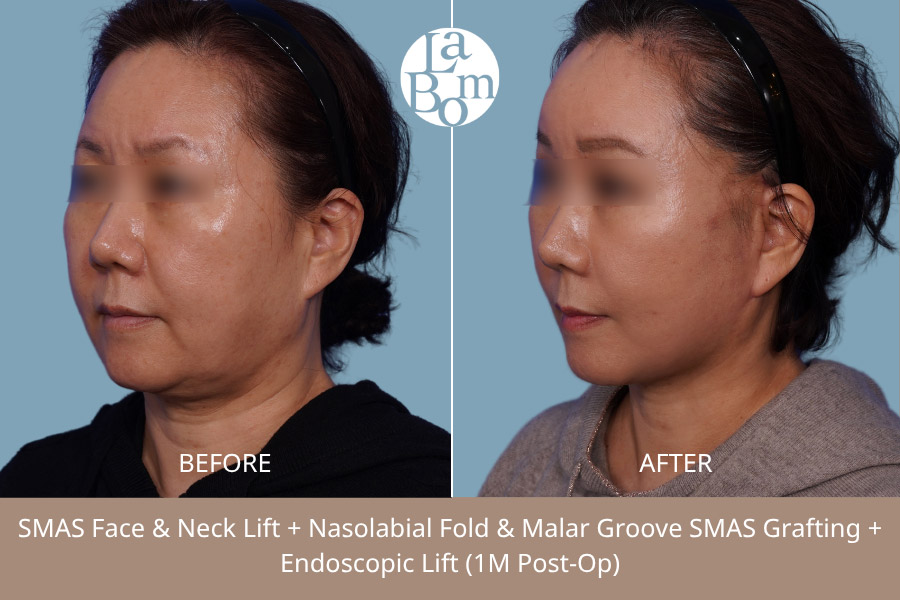
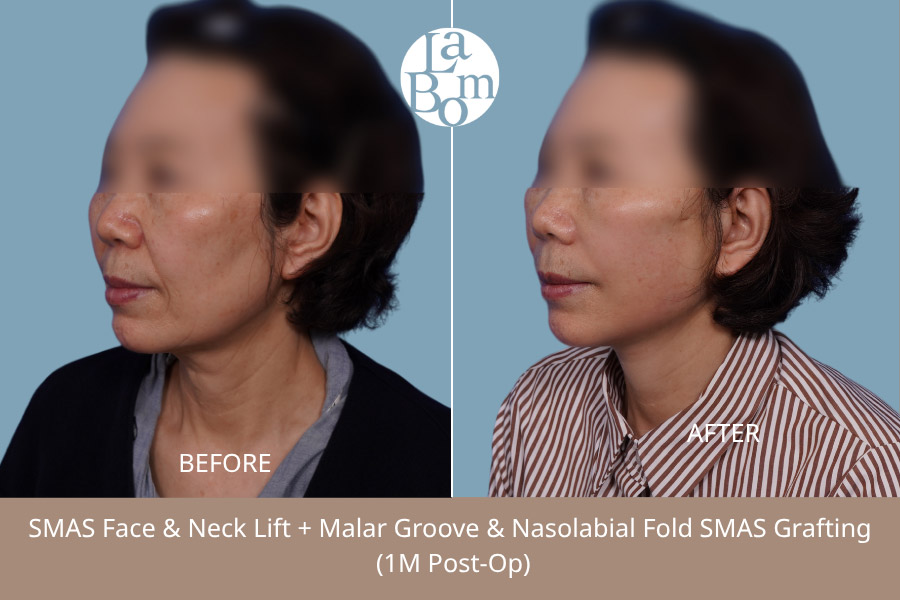
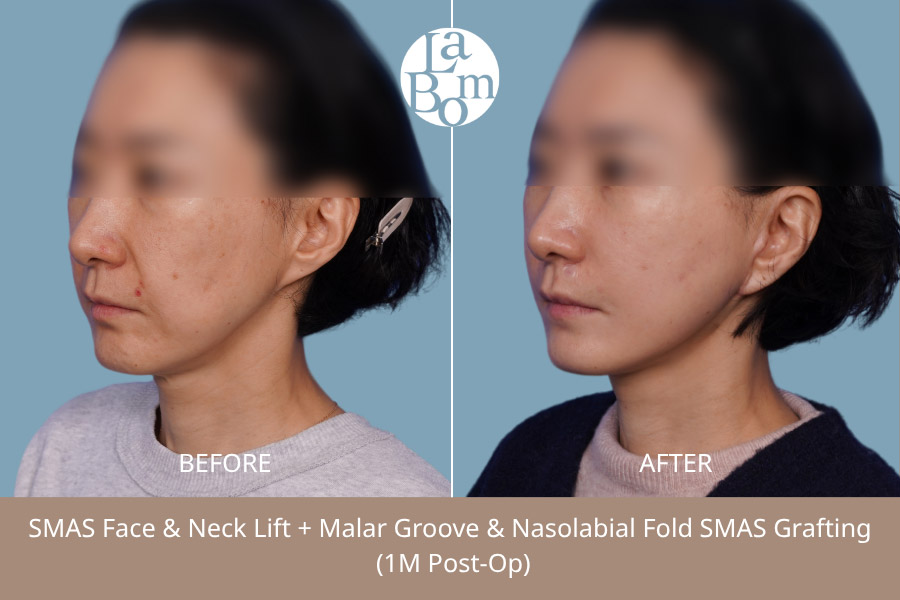
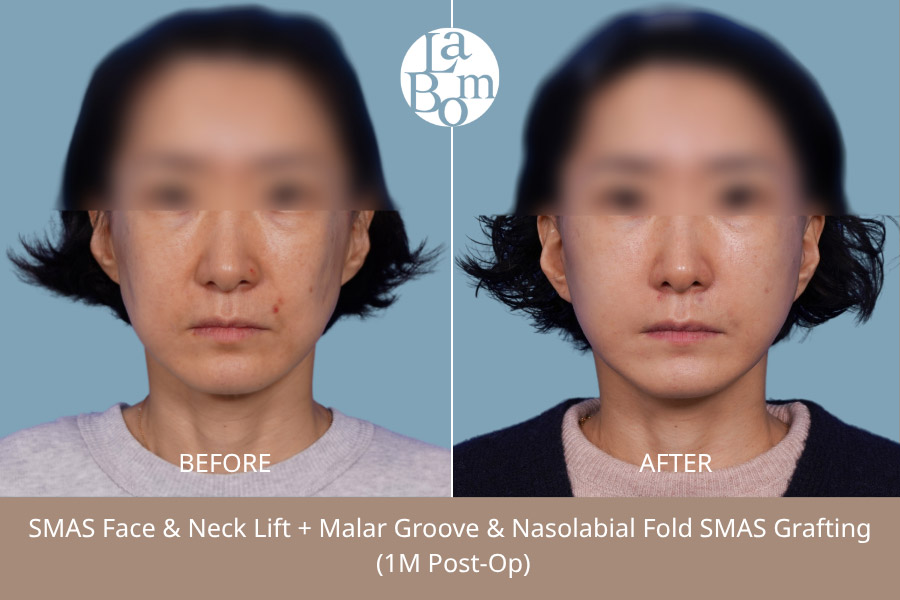
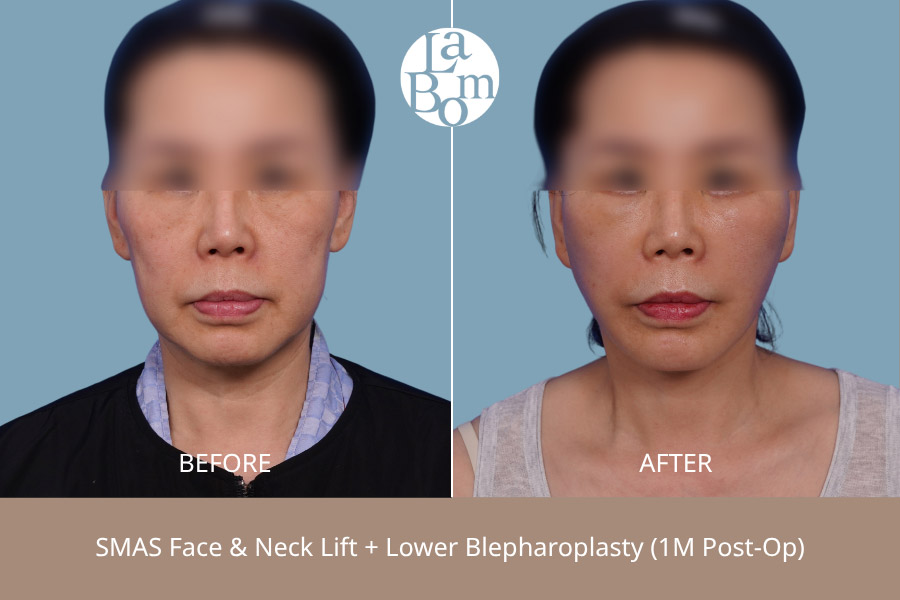
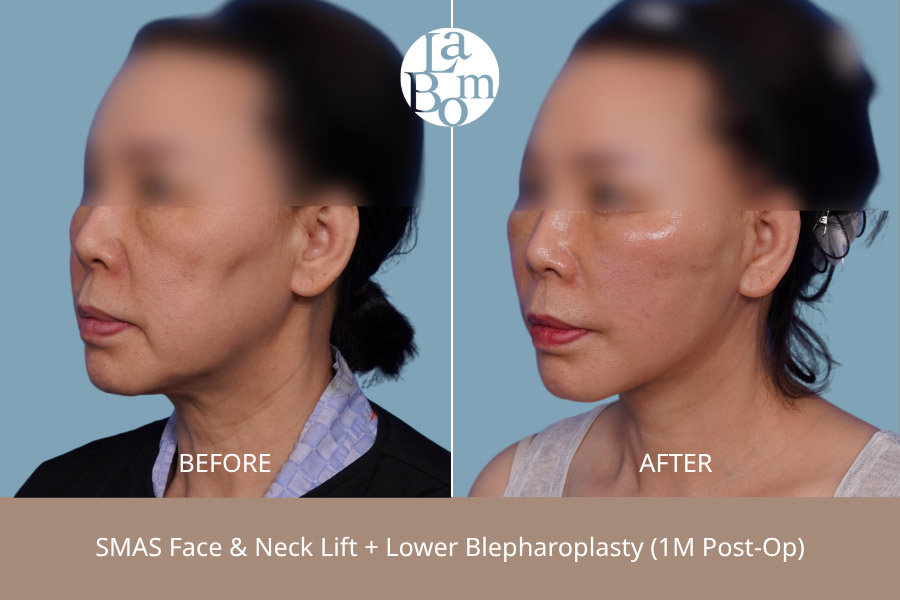
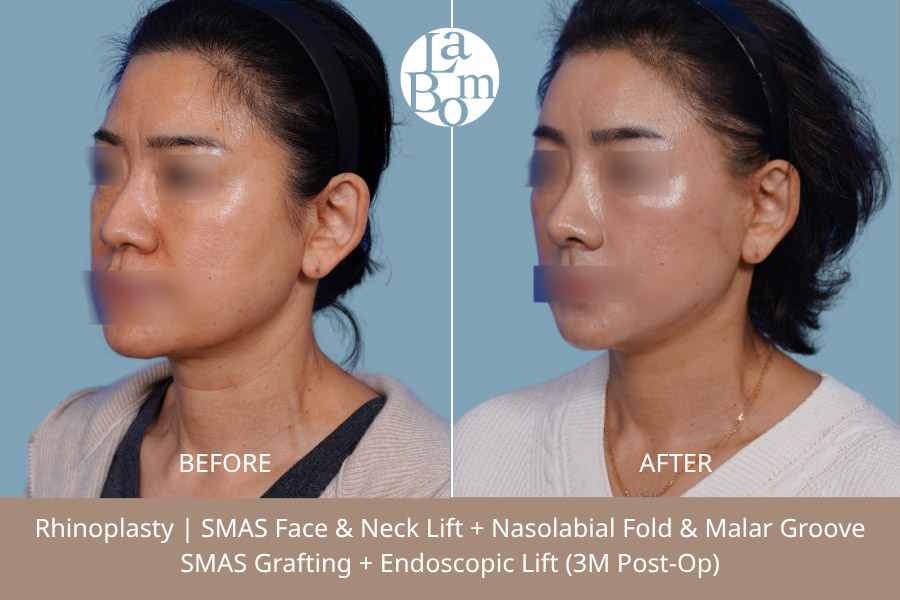
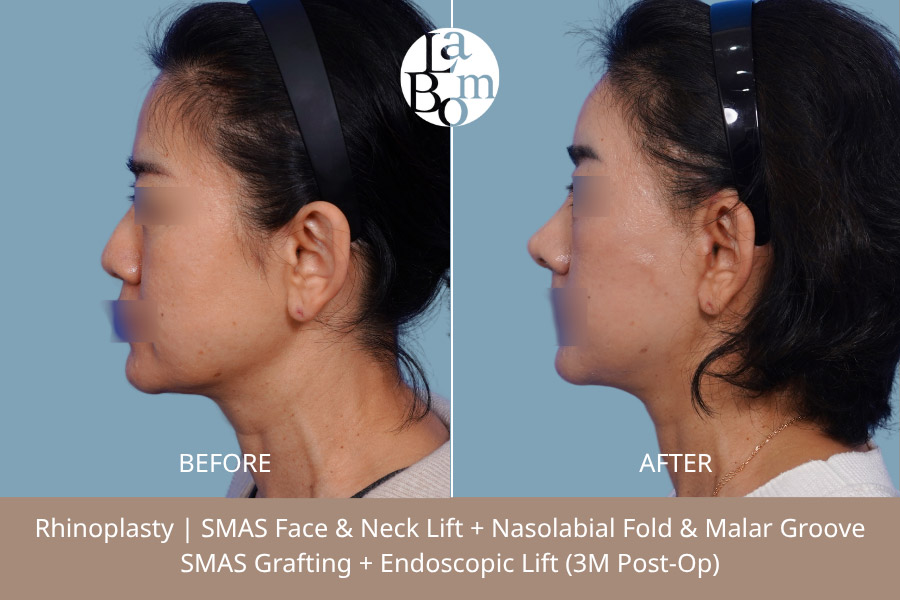
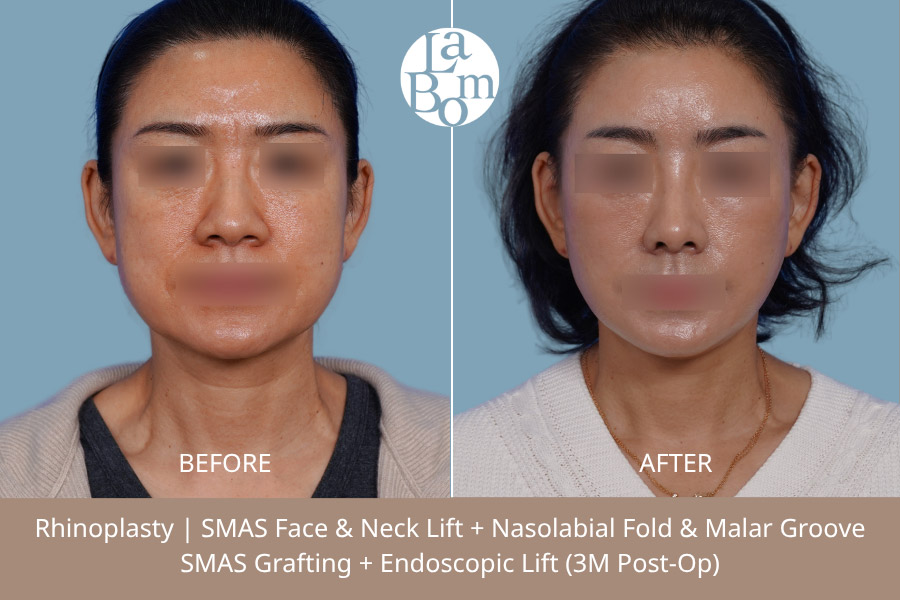
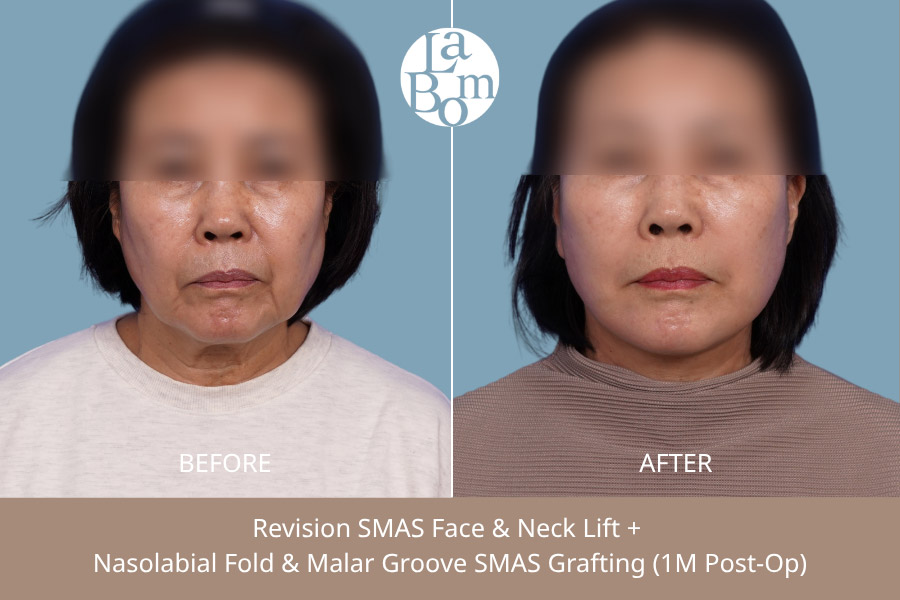
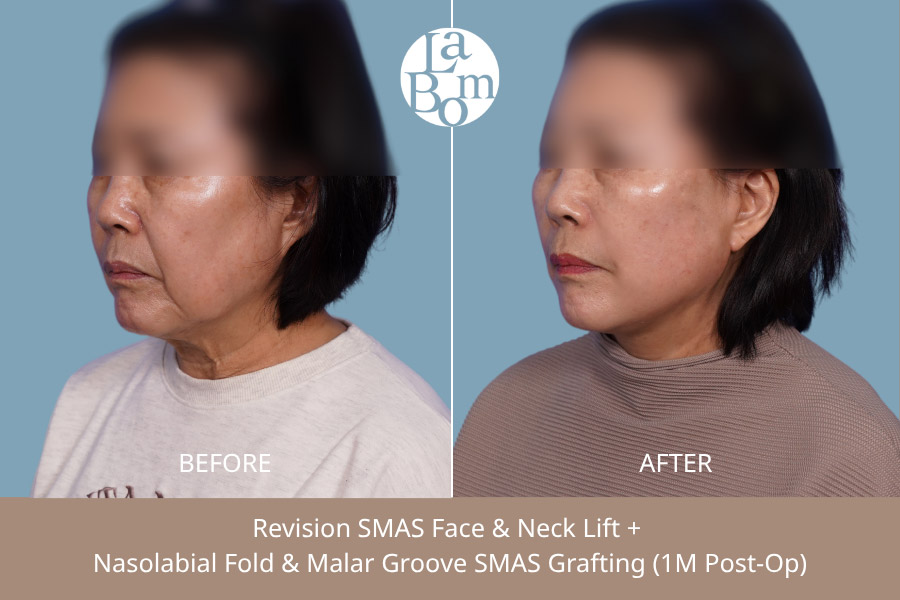
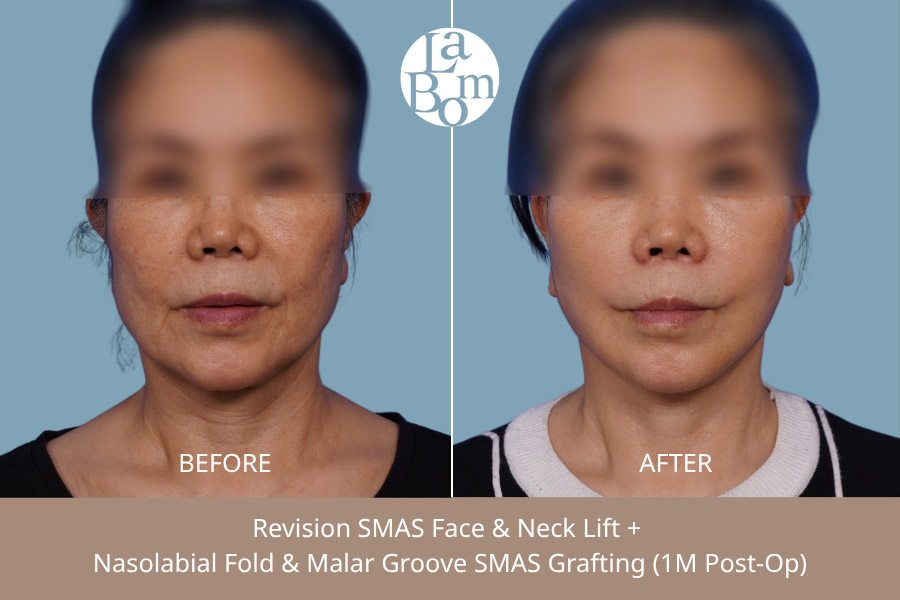
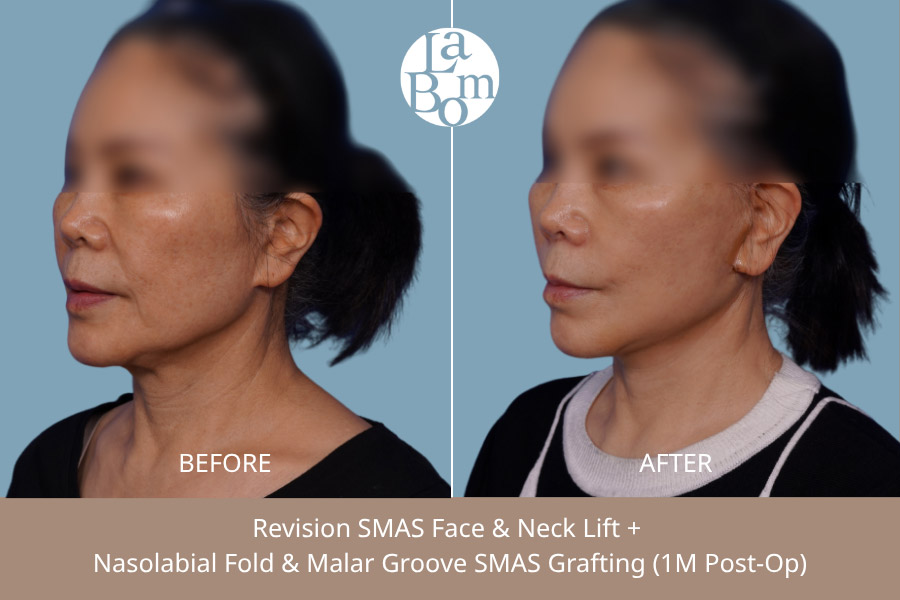
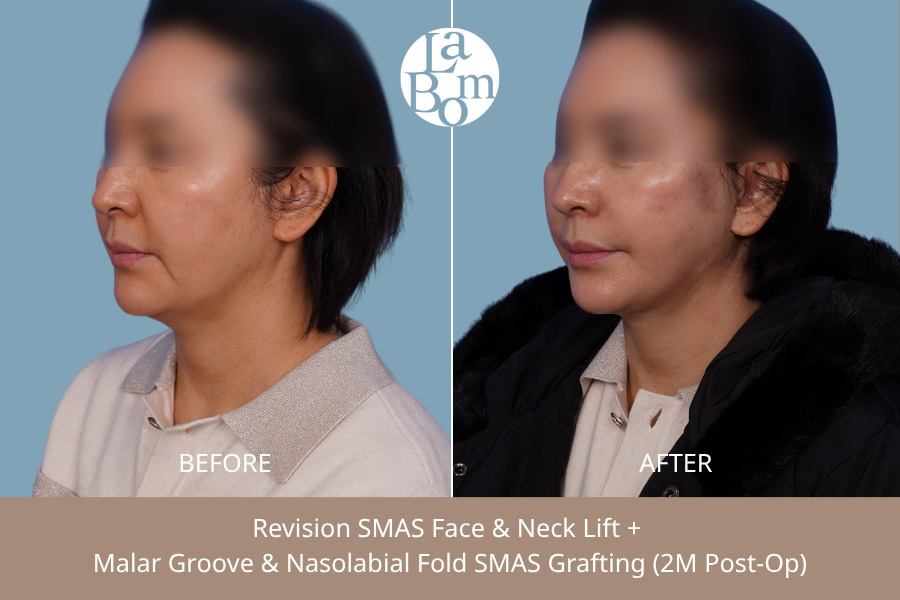
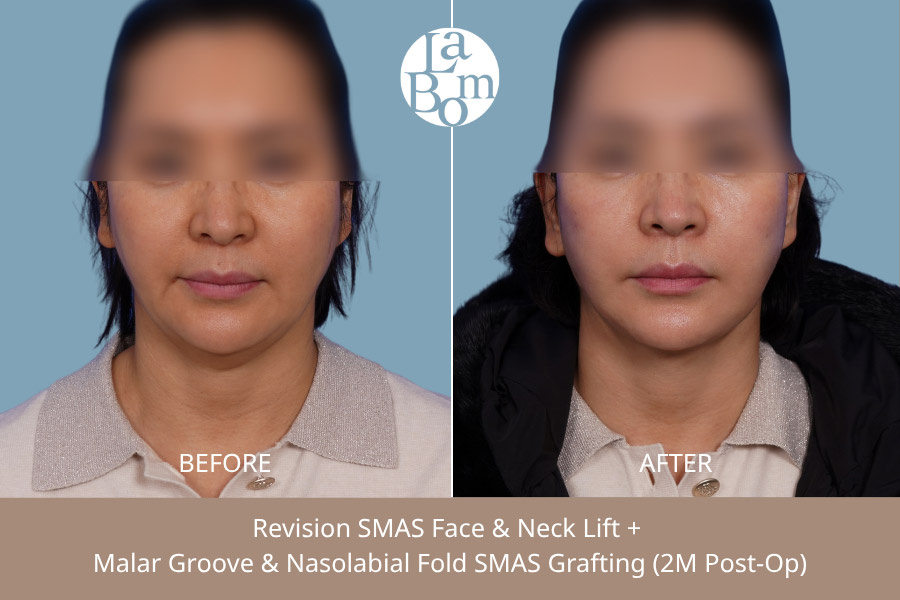
Our results
Before & After
Begin Your Consultation Today
Online consultation at LABOM is quick and easy, and completely free. Simply fill in our consultation form with all your details, and a staff member will get back to you as soon as possible to further discuss your needs and goals.